

Integrative care, the recognized clinical term for what many call holistic care in caregiving, is defined as the coordinated use of physical, emotional, and spiritual therapies alongside conventional medicine to treat the whole person. The role of holistic therapies in caregiving is not a soft add-on. It is a documented strategy that reduces caregiver burnout, lowers patient stress hormones, and improves quality of life for families navigating chronic illness. If you are caring for someone with Morgellons Disease, Lyme disease, or another complex condition, these approaches are worth understanding in full. This guide covers what works, why it works, and how to start today.
What is the role of holistic therapies in caregiving?
Holistic therapies in caregiving address the full picture: the patient’s pain, the caregiver’s exhaustion, and the emotional weight both carry. The standard medical model treats symptoms. Integrative care goes further by targeting root causes and supporting the body’s own recovery systems.
Holistic medicine is best suited for chronic conditions, focusing on root causes and integrating physical, emotional, and spiritual health. That framing matters because chronic illness caregiving is not a sprint. It is a years-long endurance challenge that wears down even the most devoted family member.
Three pillars define integrative caregiving. First, it treats the caregiver as a patient too, not just a service provider. Second, it combines evidence-backed natural therapies with conventional treatment rather than replacing one with the other. Third, it builds resilience over time rather than just managing crises. For families dealing with conditions like Lyme disease or Morgellons, where conventional medicine often falls short, this framework offers real relief.
You can read more about why alternative therapy research matters specifically for caregivers navigating complex chronic illness.
What are the most effective holistic therapies used in caregiving?
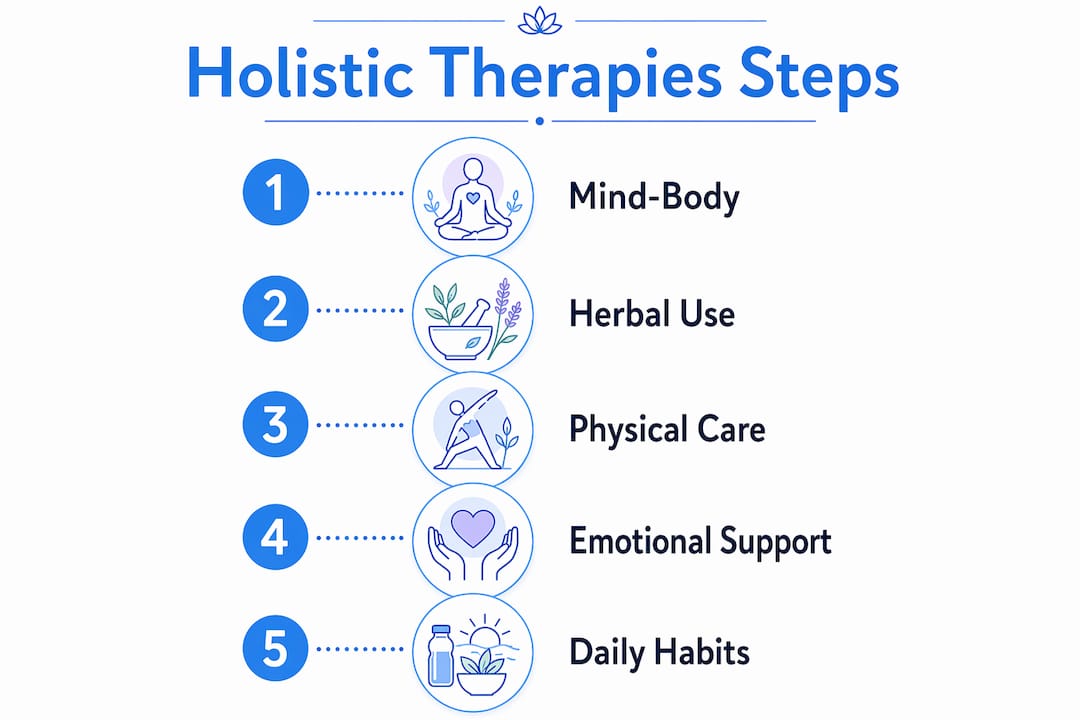
The most effective integrative therapies for caregivers fall into three categories: mind-body practices, adaptogenic herbs, and complementary physical therapies. Each targets a different layer of caregiver and patient stress.
Mind-body practices
Mindfulness-based interventions lasting at least 8 weeks significantly reduce depressive symptoms among family caregivers of dementia patients, with a standardized mean difference of -0.62. That number reflects a clinically meaningful shift, not a marginal improvement. Programs like Mindfulness-Based Stress Reduction (MBSR), developed at the University of Massachusetts Medical School, give caregivers structured tools for managing the relentless emotional weight of their role.
Yoga Nidra, a guided body-scan meditation practice, activates the parasympathetic nervous system. This matters because caregivers experience altered cortisol rhythms and elevated inflammatory markers from chronic stress. Yoga Nidra directly counteracts that physiological damage in as little as 20 minutes per session.
Adaptogenic herbs
Ashwagandha is the most studied adaptogen for stress regulation. Daily adaptogen use for 60–90 days significantly lowers perceived stress levels and serum cortisol in humans. For a caregiver running on empty, that cortisol reduction translates to better sleep, clearer thinking, and more emotional steadiness.
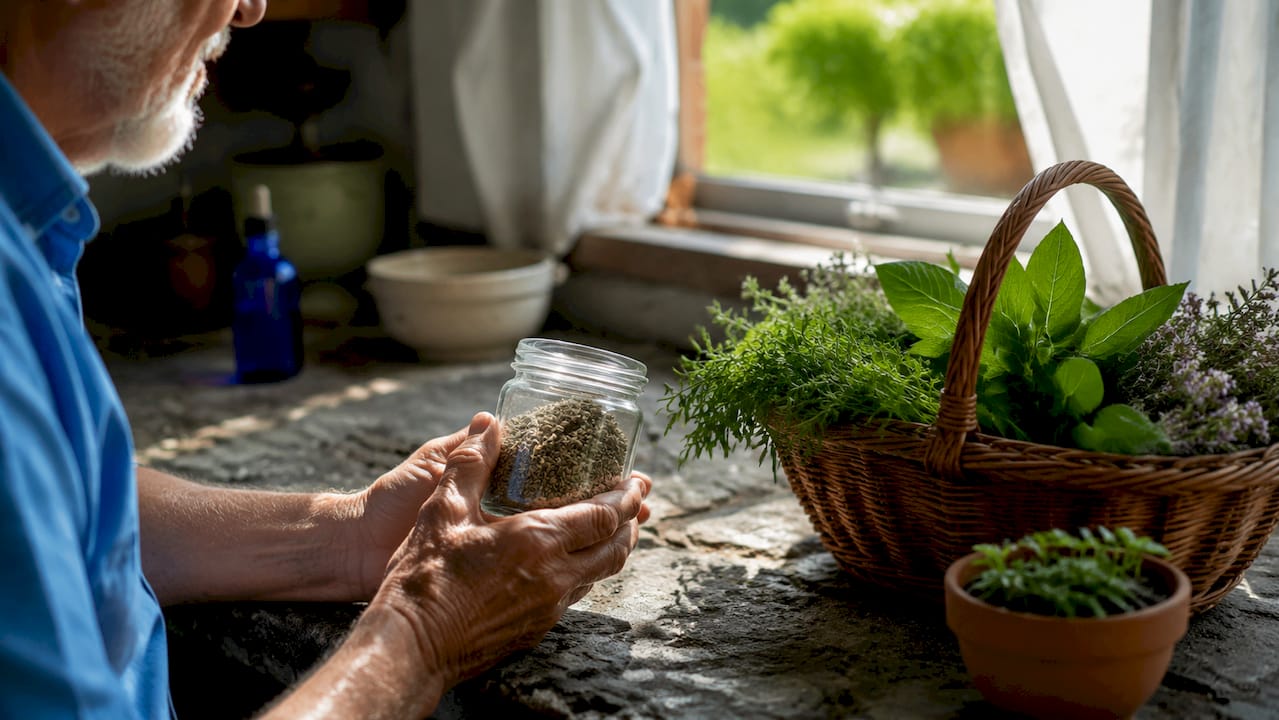
Other adaptogens with solid research behind them include Rhodiola rosea for fatigue and Holy Basil (Tulsi) for anxiety. These are not miracle cures. They are physiological support tools that work best when used consistently alongside good nutrition and sleep.
Complementary physical therapies
- Acupuncture: Reduces chronic pain and anxiety, with strong evidence for conditions like fibromyalgia and neuropathy that often accompany Lyme disease.
- Herbal teas and tinctures: Chamomile, lemon balm, and passionflower support sleep and nervous system calm without pharmaceutical side effects.
- Therapeutic massage: Lowers cortisol and raises oxytocin, benefiting both patient and caregiver when incorporated regularly.
- Apitherapy: Bee venom therapy, a specialty of Megansmiraclestudio, shows promise for immune modulation and pain relief in complex chronic conditions.
Pro Tip: Start with one therapy at a time. Trying to add mindfulness, Ashwagandha, and acupuncture simultaneously makes it impossible to know what is actually helping. Give each approach 4–6 weeks before adding another.
How do holistic therapies improve caregiving outcomes vs. conventional care?
The comparison between integrative and conventional care is not about which is better. It is about what each does well and where they work together.
| Dimension | Conventional Care | Integrative Care |
|---|---|---|
| Primary focus | Symptom management | Root cause and whole-person health |
| Caregiver support | Minimal, often absent | Central to the care model |
| Chronic pain management | Pharmaceuticals, procedures | Acupuncture, herbal support, mind-body practices |
| Cost impact | High and rising | 4% hospital cost reduction, averaging $898 savings per admission |
| Emotional resilience | Rarely addressed | Psychosocial support built into the model |
| Patient participation | Passive recipient | Active partner in recovery |
Holistic health leads to improved self-care behaviors, self-esteem, and resilience among patients and caregivers alike. That is not a soft outcome. Resilience determines whether a caregiver can sustain their role for months or years without collapsing physically or emotionally.
Integrative approaches also address what conventional medicine often misses: the grief that comes with chronic illness. Grief from ambiguous loss can be addressed through holistic practices including rituals, sensory engagement, and emotional support to contain complex emotions. When your loved one is still present but profoundly changed by illness, that grief is real and it needs a real outlet. Conventional support groups rarely provide the depth of containment that sensory therapies and grief rituals can offer.
Holistic interventions grouped as psychosocial support, skill-building, and decision-making aids improve caregiver quality of life in dementia palliative care. The lesson for all chronic illness caregivers is the same: you need more than emotional support. You need practical skills and help making hard decisions. Integrative programs that combine all three deliver measurably better outcomes than any single approach alone.
How can caregivers add holistic practices to daily routines?
Time is the biggest barrier for caregivers. The good news is that the most effective integrative practices do not require hours. They require consistency.
- Start with a 5-minute body scan each morning. Before you get out of bed, run your attention slowly from your feet to your head. Notice tension without trying to fix it. This activates the parasympathetic nervous system and sets a calmer baseline for the day.
- Brew an adaptogenic tea during a caregiving transition. The moment between tasks, such as after a medication round or a meal, is the perfect time to steep a cup of Ashwagandha or Holy Basil tea. The ritual itself signals your nervous system to downshift.
- Use herbal supplements at the same time as the patient’s medications. Pairing your own supplement routine with an existing caregiving task removes the need to remember a separate schedule. Always check for interactions with a pharmacist or integrative medicine doctor first.
- Schedule one 20-minute Yoga Nidra session per week. Free guided sessions are available through apps like Insight Timer. This is not a luxury. It is physiological maintenance for a body under chronic stress.
- Connect nutrition to caregiving strategy. Diet directly affects cortisol regulation and immune function. Megansmiraclestudio’s blog on nutrition in caregiver support offers specific guidance for families managing chronic illness.
Reframing self-care as essential to the caregiving ecosystem supports caregiver emotional resilience and reduces burnout. You cannot pour from an empty cup. That is not a cliche. It is a physiological fact about cortisol, inflammatory markers, and nervous system depletion.
Pro Tip: Micro-habits beat grand plans every time. A 3-minute breathing exercise you do daily beats a 60-minute yoga class you attend twice a year. Build small, protect those small habits fiercely, and let them compound.
What misconceptions surround holistic therapies in caregiving?
The biggest misconceptions about integrative care in caregiving fall into predictable patterns. Knowing them helps you avoid the traps.
- “Holistic means replacing my doctor.” It does not. Integrative care complements conventional treatment. Ashwagandha does not replace a Lyme disease antibiotic protocol. It supports the body’s ability to tolerate and recover from that protocol.
- “Self-care is selfish when someone else needs me.” This is the most damaging belief a caregiver can hold. Caregiver burnout is a medical event with real consequences for the patient. Your health is part of the care plan.
- “Natural means safe for everyone.” Some herbs interact with medications. St. John’s Wort, for example, reduces the effectiveness of several antivirals and immunosuppressants. Always disclose supplements to the treating physician.
- “If it worked for someone online, it will work for me.” Holistic approaches must be individualized. What resolves one person’s cortisol dysregulation may not address another’s. Seek guidance from a clinical herbalist, integrative medicine doctor, or naturopathic physician.
- “Holistic therapies are hard to access.” Many are not. Mindfulness apps, herbal teas, and guided meditation recordings are low-cost and available immediately. Specialized therapies like apitherapy require more guidance, but educational resources from Megansmiraclestudio make that learning accessible.
Evaluating credibility matters. Look for therapies with peer-reviewed research, practitioners with recognized credentials, and products from transparent manufacturers. Avoid any remedy that promises a cure for a complex chronic condition without clinical evidence.
You can also explore patient advocacy tips that help caregivers push for integrative options within conventional medical settings.
Key takeaways
Integrative care works in caregiving because it treats both the caregiver and the patient as whole people, not just a set of symptoms to manage.
| Point | Details |
|---|---|
| Mindfulness reduces depression | Eight-week mindfulness programs produce clinically significant reductions in caregiver depressive symptoms. |
| Adaptogens lower cortisol | Daily Ashwagandha use for 60–90 days measurably reduces stress hormones in caregivers. |
| Holistic care cuts costs | Integrative models reduce hospital costs by 4%, saving an average of $898 per admission. |
| Micro-habits sustain caregivers | Short daily practices like body scans and herbal teas build resilience without requiring extra hours. |
| Self-care is caregiving | Reframing caregiver wellness as part of the care plan reduces burnout and improves patient outcomes. |
What i’ve learned about holistic care that most articles won’t tell you
I have watched people I care about suffer through conditions that conventional medicine could not fully explain, let alone fix. Morgellons. Lyme. The kind of chronic illness that makes you feel invisible in a doctor’s office. And I have watched caregivers, the spouses, the parents, the siblings, slowly disappear under the weight of it.
Here is what I know from being in the thick of it: the caregiver’s body breaks down just like the patient’s. The cortisol dysregulation, the sleep deprivation, the grief of watching someone you love lose pieces of themselves. These are not emotional problems. They are physiological ones. And they respond to physiological solutions.
Ashwagandha, Yoga Nidra, bee venom therapy, snow mushroom polysaccharides. These are not fringe ideas to me. They are tools I have seen work when nothing else did. The key is not picking one and hoping. It is building a personal protocol, testing it honestly, and adjusting based on what your body tells you.
The uncomfortable truth is that most caregivers wait until they are completely depleted before they ask for help. By then, the nervous system damage is significant and recovery takes longer. Start before you hit the wall. Your loved one needs you sustainable, not just present.
A holistic health approach is not about being perfect. It is about being honest with yourself about what you need and having the courage to prioritize it.
— Megan
Support your caregiving with megansmiraclestudio’s natural wellness tools
Megansmiraclestudio was built for people who refuse to give up on healing, even when the conventional path runs out of answers. If you are a caregiver or a patient managing a complex chronic condition, the product line and education resources here are designed specifically for you.

From adaptogenic supplements and detox support to specialized apitherapy tools like the Medical Grade Bee Venom Therapy Kit, every product is chosen with chronic illness recovery in mind. Megansmiraclestudio also offers online education courses that walk you through treatment protocols, ingredient science, and caregiving strategies in plain language. You do not have to figure this out alone. Start with what resonates, learn as you go, and know that this community has been exactly where you are.
FAQ
What is integrative care in caregiving?
Integrative care in caregiving is the coordinated use of conventional medical treatment alongside evidence-based natural therapies, including mindfulness, adaptogens, and physical therapies, to support the whole person. It treats both the patient and the caregiver as active participants in the healing process.
How do holistic therapies support caregiver mental health?
Mindfulness-based programs lasting at least 8 weeks produce clinically significant reductions in caregiver depression, with research showing a standardized mean difference of -0.62. Adaptogenic herbs like Ashwagandha further reduce cortisol levels, directly improving emotional resilience over time.
Are holistic therapies safe to use alongside conventional medications?
Most holistic therapies are safe when used thoughtfully, but some herbs interact with prescription medications. Always disclose supplements to a physician or pharmacist, particularly when managing complex conditions like Lyme disease or Morgellons.
How quickly do holistic therapies show results for caregivers?
Adaptogenic herbs typically require 60–90 days of consistent daily use to produce measurable cortisol reductions. Mind-body practices like Yoga Nidra can produce noticeable nervous system effects within a single session, with cumulative benefits building over weeks.
What is the easiest holistic practice to start as a caregiver?
A 5-minute daily body scan meditation requires no equipment, no cost, and no scheduling. It activates the parasympathetic nervous system and builds the foundation for deeper integrative practices over time.