
Caregiver education is defined as structured training that equips family members and healthcare professionals with the skills to deliver safer, more effective care at home. Research proves that why caregiver education improves outcomes comes down to one core mechanism: it shifts caregivers from guessing to knowing. Psychoeducational interventions, nurse-led training programs, and medication management courses all reduce errors, lower psychological burden, and raise patient quality of life. When you are caring for someone with Morgellons Disease, Lyme disease, or another complex chronic condition, that shift from uncertainty to competence is not just helpful. It is everything.
Why caregiver education improves outcomes: the evidence
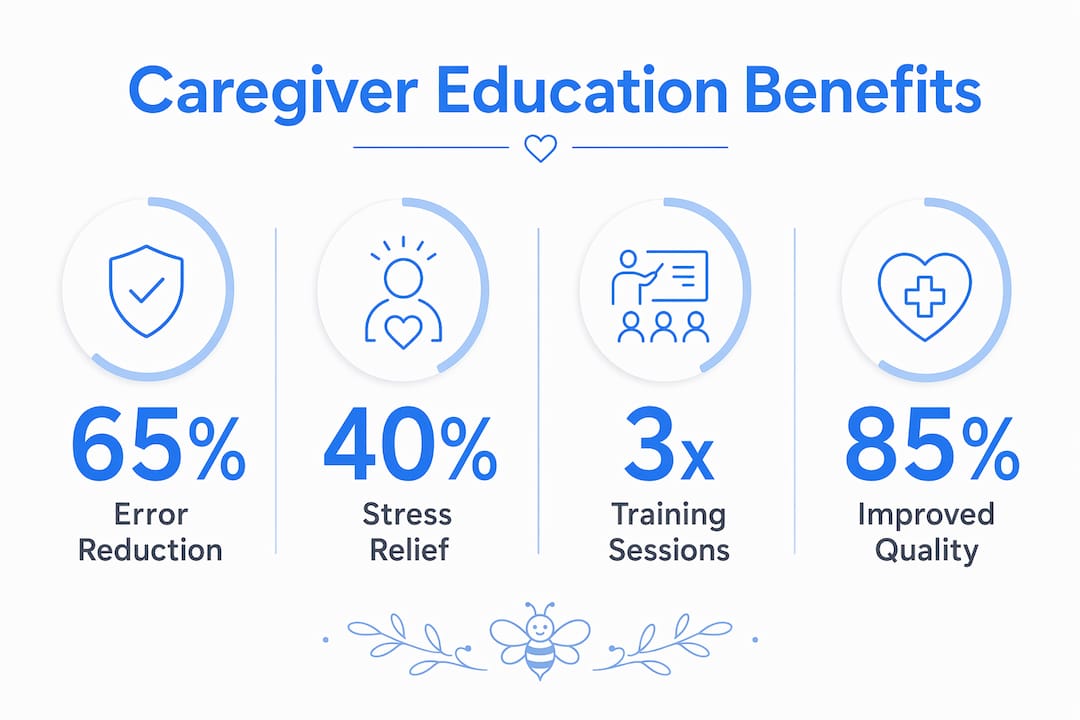
Structured psychoeducational interventions cut caregiving errors from 0.84 to 0.34 per caregiver, with four times higher odds of zero errors within three months of training. That is not a small improvement. It means that after a structured program, most caregivers make no measurable errors at all.
The key outcome of caregiver education is shifting from vague concern to actionable competency frameworks for safety. Vague concern keeps you awake at night. Competency frameworks give you a checklist, a protocol, and the confidence to act. For caregivers managing complex chronic illness, that difference is life-changing.
Effective programs cover three core skill areas:
- Medication management: Recognizing dosing windows, tracking side effects, and knowing when to call a provider
- Wound and skin care: Applying treatments correctly and documenting changes over time, as outlined in guides like documenting patient symptoms
- Daily living assistance: Supporting mobility, nutrition, and hygiene without creating dependency
Pro Tip: After any training session, write down the three most common errors the program flagged. Review that list weekly for the first month. Recognition is the first step toward prevention.
How nurse-led training reduces patient anxiety and caregiver stress
Nurse-led training for stroke survivor caregivers improves patient quality of life with a standardized mean difference of 0.51 and reduces anxiety and depression with a standardized mean difference of 0.49. Both numbers point to the same truth: when the caregiver learns, the patient feels it.
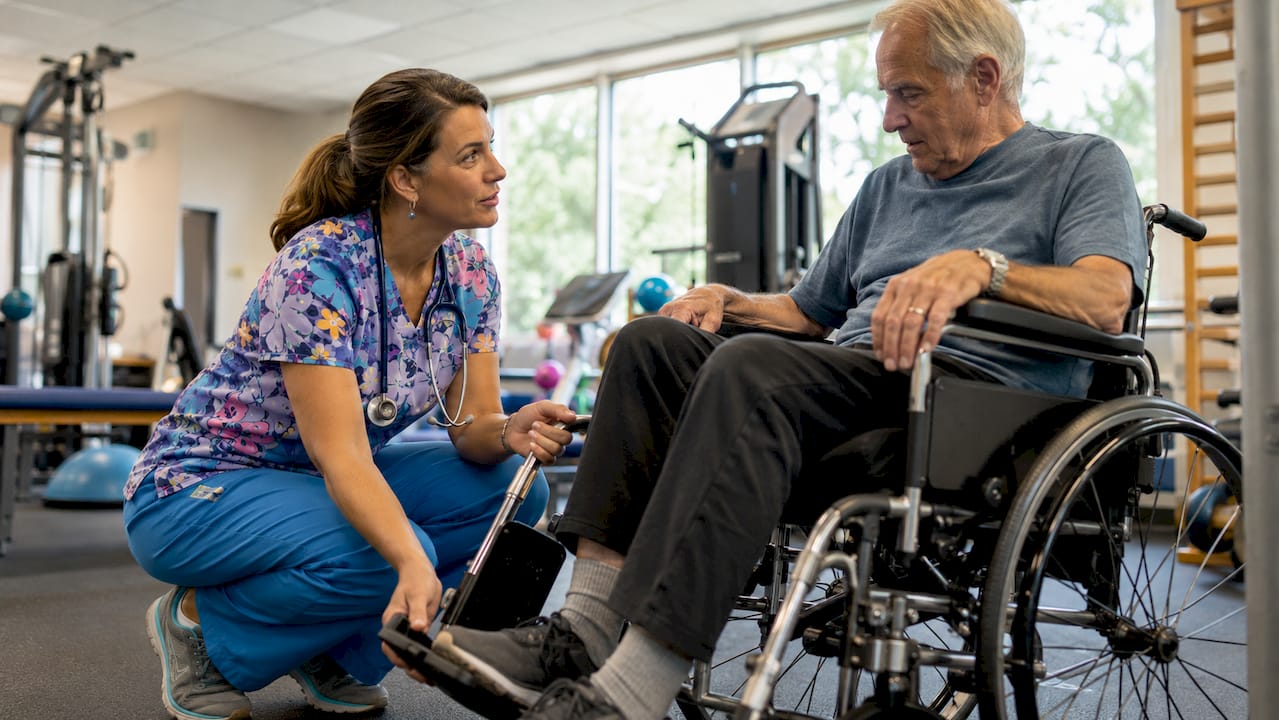
The impact of caregiver education on psychological well-being runs in both directions. Patients feel less anxious because their caregiver responds with confidence rather than panic. Caregivers feel less stressed because they know what to do when something goes wrong.
Medication-focused training with weekly 30–60 minute sessions increases caregiver competence and reduces perceived stress. Short, focused sessions work better than marathon workshops because caregivers are already exhausted. Thirty minutes of targeted practice beats three hours of passive lecture every time.
Benefits of this training model include:
- Reduced caregiver perceived stress within weeks of starting
- Increased confidence in managing complex medication schedules
- Better communication between caregivers and medical teams
- Improved patient mood and cooperation during care routines
Pro Tip: Repeat the same core skills across at least three separate sessions before moving on. Repetition under stress is how real retention happens. One session is a introduction. Three sessions build a habit.
Does personalized, task-focused education outperform general training?
The answer is yes, and the research is clear. Everyday-task-focused programs that adapt to patient abilities improve caregiver quality of life and patient participation without requiring caregivers to memorize complex medical theory. The most effective training focuses on what the patient actually needs to do today, not on abstract clinical knowledge.
For caregivers supporting someone with a chronic condition like Lyme disease or Morgellons, the gap between medical theory and daily reality is enormous. A caregiver does not need to understand the full pharmacology of an antibiotic. They need to know what to do if their loved one refuses to take it at 2 a.m.
Montessori-based and strategy-oriented programs demonstrate this well. They build skills around real daily tasks: bathing routines, meal preparation, managing sensory sensitivities, and responding to behavioral changes. Caregivers who train this way report higher personal growth and satisfaction scores than those who receive general health education.
Four principles make individualized education work:
- Start with observation. Assess what the patient can still do independently before designing any support routine.
- Build on existing strengths. Teach caregivers to support function, not replace it. Dependence grows when caregivers over-assist.
- Adapt as the condition changes. A protocol that worked three months ago may be wrong today. Build in scheduled reassessments.
- Practice in the actual home environment. Skills learned in a clinic rarely transfer perfectly to a cluttered bathroom or a narrow hallway.
What are the biggest barriers to effective caregiver training?
The biggest barrier is emotional, not logistical. Caregivers experience what researchers call “double victimization,” carrying both the grief of watching someone they love suffer and the guilt of every mistake they make. Programs that integrate psychological support show better adherence and skill retention than those that focus on technical skills alone.
One-time training sessions fail for a predictable reason. Caregivers are under chronic stress, and stress impairs memory consolidation. A single workshop gives information. Multi-touchpoint interventions that combine face-to-face sessions with phone follow-ups build confidence over time.
| Training model | Effectiveness |
|---|---|
| One-time workshop | Low retention, high dropout under stress |
| Weekly sessions with phone follow-up | Strong retention, measurable competence gains |
| Co-designed with caregivers | Highest adherence, addresses real home barriers |
| Clinic-only, no home practice | Skills rarely transfer to home environment |
Ongoing, adaptive education integrated into routine care outperforms isolated training. This means building education into regular check-ins rather than treating it as a one-time event. Healthcare professionals who understand this design training as a process, not a program.
Co-designing education with caregivers uncovers practical home barriers that clinicians never see. A caregiver knows that the medication cabinet is in a room their loved one cannot reach at night. A clinician designing a training program in a hospital conference room does not. That gap is exactly why caregiver involvement in program design matters so much.
Pro Tip: Before any training program begins, ask the caregiver to describe their hardest moment from the past week. That answer tells you exactly what the first session should cover.
Key Takeaways
Caregiver education improves outcomes by reducing errors, lowering psychological burden, and building the competence caregivers need to deliver safe, consistent care for patients with chronic illness.
| Point | Details |
|---|---|
| Structured training cuts errors | Psychoeducational programs reduce caregiving errors from 0.84 to 0.34 per caregiver within three months. |
| Nurse-led programs help patients too | Patients show measurable reductions in anxiety and depression when their caregiver receives formal training. |
| Task-focused education outperforms theory | Training built around daily living tasks improves caregiver satisfaction and patient participation more than clinical lectures. |
| Continuous training beats one-time sessions | Multi-touchpoint programs with follow-ups build lasting confidence and retention under caregiving stress. |
| Co-design improves adherence | Programs built with caregiver input address real home barriers and achieve higher completion rates. |
What I have learned about caregiver education the hard way
I have watched people I care about fall apart not because they lacked love, but because they lacked knowledge. Love does not teach you how to manage a medication schedule for someone with Morgellons. Love does not prepare you for the moment your loved one refuses care at midnight and you have no protocol to fall back on. That is where education steps in.
What I have come to believe, after years of living inside this world, is that the emotional piece gets ignored too often. Programs teach skills. They rarely teach caregivers how to survive the guilt of making a mistake, or how to keep showing up when the person they are caring for is suffering and nothing seems to work. That emotional weight is real. It is crushing. And a training program that ignores it will lose the caregiver before the third session.
The best caregiver education I have seen does not try to make caregiving easy. It tries to make it safer. There is a big difference. Safer means you have a plan. Safer means you recognize a warning sign before it becomes a crisis. Safer means your loved one gets better care because you are not operating on fear and guesswork. You can explore how alternative therapy research fits into that picture too. The goal is always the same: fewer mistakes, less suffering, more moments where you feel like you actually helped.
— Megan
Supporting your caregiving journey with Megansmiraclestudio
Education gives you the knowledge. The right products give your loved one’s body the support it needs while you do the hard work of caregiving.
At Megansmiraclestudio, the supplements and internal detox collection is built for people managing complex chronic conditions like Morgellons and Lyme disease. These products are designed to complement your caregiving efforts, not replace them. Alongside your training and protocols, natural support tools like Snow Mushroom Polysaccharide Capsules can help address the internal burden your patient carries every day. You are already doing the hardest part. Let the right tools carry some of the weight.
FAQ
Why does caregiver education reduce patient anxiety?
Patients feel less anxious when their caregiver responds with confidence and a clear plan. Nurse-led training shows a standardized mean difference of 0.49 in anxiety and depression reduction among patients whose caregivers received structured training.
How many sessions does it take to see real improvement?
Research supports weekly 30–60 minute sessions over multiple weeks, combined with phone follow-ups. A single session is not enough. Repetition across at least three sessions is the threshold where retention and confidence begin to build.
What makes task-focused training better than general health education?
Task-focused programs teach caregivers to handle what actually happens at home, such as medication refusal, mobility challenges, and daily hygiene. Everyday-task programs show stronger gains in caregiver quality of life and patient participation than theory-based curricula.
What is caregiver double victimization?
Double victimization describes the emotional burden caregivers carry from both the grief of watching a loved one suffer and the guilt of their own mistakes. Programs that address this emotional layer alongside technical skills show better adherence and lower caregiver burnout.
How does co-designing training with caregivers improve outcomes?
When caregivers help design their own training, they surface practical home barriers that clinicians miss. This collaboration improves training relevance and adherence, making it far more likely that caregivers complete the program and apply what they learn.