

Detox support for chronic illness is defined as the practice of reinforcing your body’s own toxin elimination systems through nutrition, lifestyle, and targeted therapies rather than forcing a rapid purge. Chronic conditions like Lyme disease, Morgellons, and fibromyalgia frequently impair the liver, kidneys, and gut, creating a cycle of toxic overload that deepens fatigue, inflammation, and pain. Detox support can improve cellular energy by reducing inflammation and restoring mitochondrial function. That recovery is gradual, but it is real. This guide walks you through the physiology, the methods that actually work, and how to build a plan that does not make you feel worse before you feel better.
What is detox support for chronic illness?
Your body detoxifies constantly. The liver, kidneys, gut, lymphatic system, and skin all work together to identify, neutralize, and remove harmful compounds. Chronic illness disrupts every one of those systems at once.
The liver handles most of the heavy lifting through two sequential steps called Phase 1 and Phase 2 metabolism. Phase 1 converts toxins into reactive intermediates. Phase 2 then binds those intermediates so the body can safely excrete them. Imbalanced Phase 1 metabolism without adequate Phase 2 support produces harmful reactive metabolites that worsen symptoms. That is the core danger of aggressive, unguided detox attempts.
Chronic illness also hammers the gut. A compromised gut lining allows toxins to re-enter the bloodstream instead of leaving through stool. Fiber binds toxic ions and carcinogens, including lead, arsenic, and bile acids, and carries them out of the body. A low-fiber diet leaves those compounds circulating far longer than they should.
The goal of detox support is not to shock the system. It is to restore the capacity that chronic illness has stolen.
Why do detox pathways break down in chronic illness?
Chronic illness creates a vicious cycle. Inflammation impairs liver enzyme activity. Impaired liver function allows more toxins to accumulate. More toxins drive more inflammation. Breaking that cycle requires understanding where the breakdown happens first.
- Liver Phase 1/2 imbalance: Toxins get activated but not fully neutralized, leaving reactive compounds in circulation.
- Gut permeability: A damaged gut lining recirculates toxins instead of excreting them.
- Kidney stress: Chronic inflammation reduces filtration efficiency, slowing urinary toxin clearance.
- Lymphatic stagnation: Reduced physical movement slows lymph flow, which carries cellular waste.
- Nervous system overload: Chronic sympathetic nervous system activation impairs detox ability directly. The body in fight-or-flight mode deprioritizes elimination.
Patients with persistent fatigue or chemical sensitivities benefit most from physician-led integrative care that addresses Phase 1 and Phase 2 balance together. Treating one without the other is like opening a drain while the pipe is still blocked.
Pro Tip: If you react badly to even small amounts of caffeine, alcohol, or strong scents, that is a classic sign of Phase 1 overload without adequate Phase 2 support. Mention it to your practitioner before starting any detox protocol.
Which natural therapies support chronic illness detox?
Natural detox solutions work by giving your elimination organs the raw materials and conditions they need to function. No single method is enough. The most effective approach combines nutrition, movement, sleep, and nervous system care.

Nutrition as the foundation
A functional nutrition approach for chronic illness centers on fiber, antioxidants, and anti-inflammatory foods. Cruciferous vegetables like broccoli and Brussels sprouts support Phase 2 liver enzymes directly. Beets support bile flow. Berries deliver antioxidants that protect liver cells during Phase 1 activity.
Only 1 in 10 adults meet recommended fruit and vegetable intake. For people managing chronic illness, that gap is not just a nutrition shortfall. It is a detox deficit.
Gut health is equally central. Supporting gut lining integrity through fermented foods, prebiotic fiber, and bone broth reduces toxin recirculation and supports the microbiome’s role in elimination.
Movement, sleep, and hydration
- Aerobic exercise: Aim for 30+ minutes at least 5 days per week. Resistance and aerobic training reduce liver fat and improve kidney function, both critical for toxin clearance.
- Sleep: 7–9 hours per night is the target. The brain’s glymphatic system, which clears metabolic waste from neural tissue, operates almost entirely during deep sleep.
- Hydration: Adequate water intake keeps kidneys flushing water-soluble toxins continuously. Dehydration concentrates those toxins and slows clearance.
- Stress reduction: Somatic therapies, breathwork, and nervous system regulation techniques are prerequisites for effective biological detox in chronic illness. The body cannot eliminate efficiently while stuck in survival mode.
Pro Tip: Start with hydration and sleep before adding any supplement or dietary change. Those two factors determine how well every other detox method works.
How do you build a safe, personalized detox plan?
The single most important rule in chronic illness detox is this: open the drainage pathways before you mobilize toxins. Skipping that step is the most common reason people feel dramatically worse during detox.
“Detoxing is a hierarchy of capacity. Open elimination pathways before toxin mobilization to avoid toxin recycling and symptom worsening. Mobilizing toxins before drainage pathways are open leads to symptom intensification rather than improvement.”
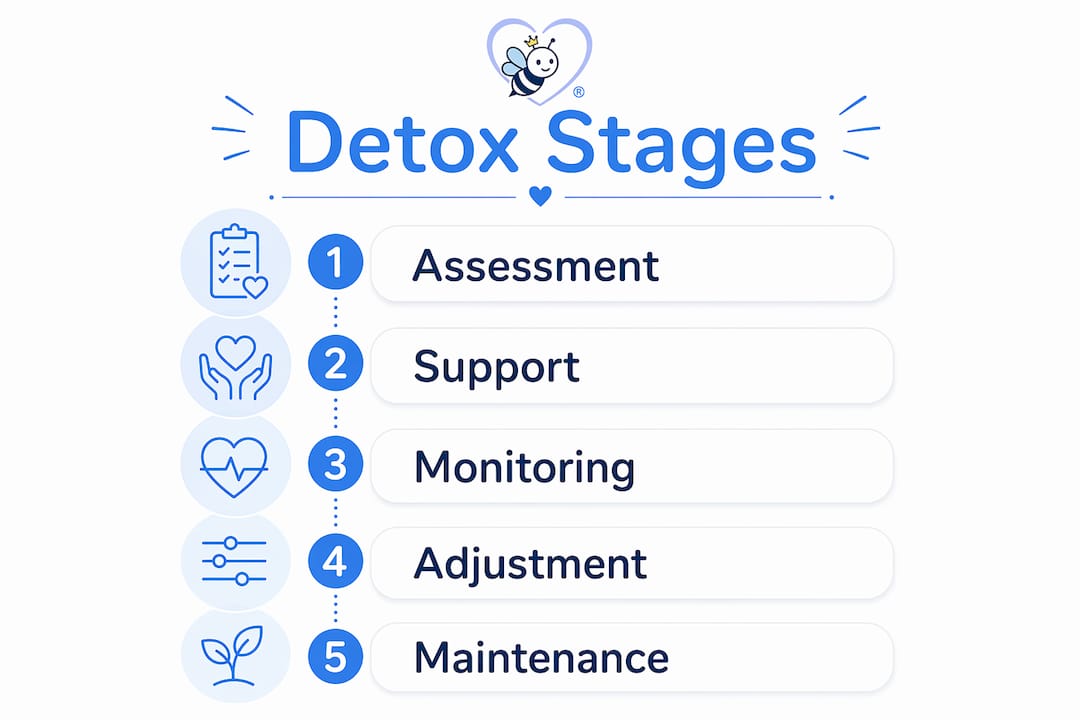
Here is a phased approach that respects that hierarchy:
- Assess your baseline. Track your current symptoms, energy, bowel regularity, and sleep quality for one to two weeks before changing anything. You need a reference point.
- Open drainage pathways first. Increase fiber, water, and gentle movement. Support gut regularity. This phase may take two to four weeks.
- Introduce dietary changes gradually. Add one new food or supplement category per week. Watch for reactions before adding the next.
- Begin targeted support. Once elimination is consistent, introduce liver-supportive foods and, if appropriate, supplements that support Phase 2 pathways.
- Monitor and adjust. Keep a symptom journal. A temporary increase in fatigue or mild headache can be normal. Severe symptom spikes are a signal to slow down, not push through.
- Seek professional guidance. A practitioner familiar with integrative or functional medicine can order organic acid tests, liver function panels, and microbiome assessments that remove the guesswork.
| Phase | Focus | Key Actions |
|---|---|---|
| Baseline assessment | Understand current capacity | Track symptoms, bowel habits, energy for 1–2 weeks |
| Drainage preparation | Open elimination pathways | Increase fiber, water, and gentle daily movement |
| Dietary integration | Fuel detox organs | Add cruciferous vegetables, berries, fermented foods |
| Targeted support | Enhance Phase 1/2 balance | Introduce liver-supportive supplements with guidance |
| Monitoring | Prevent overload | Keep a symptom journal, adjust pace as needed |
Effective chronic illness treatment requires this kind of phased thinking. Rushing the process does not speed recovery. It sets it back.
Pro Tip: If you have Lyme disease, Morgellons, or a condition involving heavy pathogen load, work with a practitioner before starting Phase 4. Pathogen die-off adds a significant toxin burden on top of the standard detox load.
What challenges come up during detox, and how do you handle them?
Detox reactions are real. They are not proof that the protocol is working. They are a signal that the pace or approach needs adjustment. Aggressive detox attempts without supporting elimination pathways first cause toxin recycling, which worsens symptoms rather than relieving them.
Common challenges and responses:
- Fatigue spikes: Slow down. Reduce the intensity of any new supplement or dietary change. Increase rest and hydration.
- Headaches: Often a sign of dehydration or toxin recirculation. Increase water intake and bowel regularity before continuing.
- Chemical sensitivities worsening: A sign of Phase 1 overload. Pause mobilization-phase activities and focus on Phase 2 support foods like eggs, leafy greens, and sulfur-rich vegetables.
- Mood shifts or anxiety: Chronic stress and detox compete for the same nervous system resources. Integrating somatic therapies and stress reduction techniques directly improves detox capacity.
- Symptom plateaus: Managing expectations improves long-term adherence. Plateaus are part of incremental recovery, not evidence of failure.
Seek medical help immediately if you experience severe neurological symptoms, significant heart palpitations, or extreme weakness during any detox phase. Those are not detox reactions. They require clinical evaluation.
Community matters too. Finding chronic illness support communities reduces the isolation that makes setbacks feel unsurvivable. Physical, psychological, and social support must be integrated for genuine chronic disease management.
Pro Tip: Build a “slow day” protocol in advance: a specific set of gentle activities, foods, and rest practices you default to when symptoms spike. Having that plan ready removes the panic from hard days.
Key Takeaways
Detox support for chronic illness works by restoring the body’s own elimination capacity through phased, patient-centered methods rather than aggressive purging.
| Point | Details |
|---|---|
| Phase 1/2 balance is critical | Mobilizing toxins without Phase 2 support creates harmful reactive compounds that worsen symptoms. |
| Open drainage pathways first | Increase fiber, water, and movement before introducing any toxin-mobilizing protocol. |
| Lifestyle is the foundation | Consistent exercise, 7–9 hours of sleep, and adequate hydration support liver and kidney function more than any supplement. |
| Nervous system regulation matters | Chronic stress directly impairs detox; somatic therapies and stress reduction are part of the protocol, not extras. |
| Expect gradual, not linear, progress | Setbacks and plateaus are normal; adjusting pace and maintaining realistic expectations improves long-term outcomes. |
What I’ve learned about detox that most guides won’t tell you
I spent years believing that if I just found the right supplement or the right protocol, my body would finally catch up. I tried aggressive cleanses. I pushed through reactions I should have respected. And every time, I paid for it with weeks of setbacks that felt like starting over.
What actually changed things was slowing down. Not giving up. Slowing down. The mind-body connection in chronic illness is not a soft concept. It is physiology. When your nervous system is in constant survival mode, your liver and gut cannot do their jobs. I had to address the fear and the trauma alongside the toxins. That was the part nobody told me.
The other thing I wish someone had said earlier: shifting from seeking a quick cure to focusing on incremental functional improvements is not settling. It is the only approach that actually works for complex chronic illness. Every small win compounds. Every week you support your elimination pathways, you are building capacity you did not have before.
Detox for chronic illness is not a sprint. It is a slow, deliberate restoration of something that was taken from you. Be patient with your body. It is doing more than you realize.
— Megan
Natural detox support from Megansmiraclestudio
Living with Morgellons, Lyme, or a related chronic condition means your body carries a heavier toxic burden than most protocols are designed for. Megansmiraclestudio was built specifically for that reality. The supplements and internal detox collection includes products formulated to support liver function, gut health, and cellular recovery alongside the lifestyle changes covered in this guide. For those exploring natural apitherapy, the snow mushroom polysaccharide capsules offer immune and anti-inflammatory support that complements a phased detox approach. Every product at Megansmiraclestudio is chosen with the chronic illness patient in mind, not the general wellness market.
FAQ
What does detox support for chronic illness actually mean?
Detox support for chronic illness means reinforcing the liver, kidneys, and gut so they can eliminate toxins more effectively. It does not mean forcing a rapid purge; it means restoring the body’s natural elimination capacity through nutrition, lifestyle, and targeted therapies.
How long does it take to see results from natural detox support?
Results are gradual and vary by individual and illness severity. Integrative detox care focused on Phase 1 and Phase 2 liver balance produces durable energy recovery over weeks to months, not days.
What are the signs that a detox protocol is moving too fast?
Severe fatigue spikes, worsening chemical sensitivities, and significant mood shifts signal that toxins are being mobilized faster than elimination pathways can clear them. Slowing down and increasing hydration and fiber intake is the correct response.
Is herbal support for detox safe during chronic illness?
Herbal support can be effective, but certain herbs that stimulate Phase 1 liver activity without supporting Phase 2 can worsen symptoms. Always introduce herbal protocols with practitioner guidance, especially with conditions involving heavy pathogen load.
Why does stress management matter for detox in chronic illness?
Chronic sympathetic nervous system activation directly impairs detox function. Somatic therapies and stress reduction techniques are physiological prerequisites for effective metabolic detox, not optional add-ons.