
Alternative support for Morgellons is defined as a multidisciplinary approach combining dermatological care, mental health therapy, and natural remedies to manage symptoms that span both skin and neurological domains. Morgellons disease, sometimes called Morgellons syndrome, is a poorly understood condition marked by crawling skin sensations, fiber-like material emerging from lesions, and profound psychological distress. Multidisciplinary care involving dermatologists, psychiatrists, and psychologists is the most effective support approach available. Roughly 6% of Lyme disease cases may overlap with Morgellons, which underscores how complex and layered this condition really is. If you are living with Morgellons syndrome, you deserve a care plan that takes every part of your suffering seriously.
1. Alternative support for Morgellons: the core framework
Effective alternative support does not mean choosing one remedy and hoping for the best. It means building a care plan that addresses your skin, your nervous system, and your mental health at the same time. The Cleveland Clinic confirms that combined management addresses both physical lesions and the chronic stress and anxiety that make symptoms worse. Think of it less like a single treatment and more like a scaffold you build piece by piece.
Morgellons healing methods work best when they are layered. A patient who only treats the skin but ignores the psychological toll will keep cycling through flares. A patient who only addresses mental health but neglects wound care will struggle with persistent lesions. The goal is integration, not isolation.
2. Apitherapy and bee venom therapy
Apitherapy, the therapeutic use of honeybee products including bee venom, is one of the most discussed natural remedies among Morgellons patients. Bee venom contains melittin and phospholipase A2, compounds with documented anti-inflammatory and antimicrobial properties. Many patients report meaningful relief from crawling sensations and skin inflammation after consistent apitherapy protocols. Megansmiraclestudio has built its entire product line around this approach, offering medical-grade bee venom kits designed specifically for Morgellons and Lyme-related conditions.
Starting apitherapy requires careful guidance. Allergic reactions to bee venom are possible, so beginning with very low doses and working up gradually is non-negotiable. Megansmiraclestudio provides free educational resources and protocols to help patients use these therapies safely at home.
Pro Tip: Before starting any bee venom protocol, perform a skin patch test and keep an antihistamine nearby. Slow titration reduces the risk of adverse reactions significantly.
3. Ozone therapy and ozonated glycerin
Ozone therapy has gained traction as a Morgellons alternative healing method because of its antimicrobial and immune-modulating effects. Extracorporeal Blood Ozonation and Oxygenation (EBOO) is the most intensive form, but EBOO can cost over $2,000 per session, putting it out of reach for most patients. Ozonated glycerin IV therapy uses smaller catheters and costs considerably less, making it a more accessible entry point for patients exploring ozone-based support.
Ozonated glycerin applied topically also shows promise for skin lesion care. It creates an oxygen-rich environment that discourages microbial activity directly at the wound site. Patients exploring this path should work with a practitioner trained in ozone protocols to avoid tissue irritation from improper concentrations.
4. Herbal and nutritional support
Several herbal compounds show genuine utility as supportive care for Morgellons. Curcumin, the active compound in turmeric, carries well-documented anti-inflammatory properties and crosses the blood-brain barrier, which matters when neurological symptoms are part of the picture. Ashwagandha supports adrenal function and reduces cortisol, which helps patients whose immune systems are exhausted from chronic illness. Iodine supplements have antifungal and antimicrobial properties that some practitioners recommend as part of a broader natural health protocol for skin-related conditions.
Snow mushroom polysaccharides represent another promising option. Tremella fuciformis, the snow mushroom, produces polysaccharides that support skin hydration and immune regulation. Megansmiraclestudio offers snow mushroom polysaccharide capsules as part of its internal support line. Pairing internal supplements with topical care creates a more complete response to skin symptoms.
Quality matters enormously with supplements. Poorly sourced products can introduce contaminants that worsen inflammation. Choosing pharmaceutical-grade or verified natural-grade products from trusted sources like Live 5D Health supplements reduces that risk.
5. Mental health therapy and medication
Mental health support is not optional in Morgellons care. It is a core pillar. Cognitive behavioral therapy (CBT) directly targets the compulsive skin-picking behaviors and anxiety loops that amplify physical symptoms. CBT teaches patients to interrupt the itch-scratch cycle through behavioral techniques rather than willpower alone.
Medication also plays a documented role. Antipsychotic medications achieve up to 88% partial or complete remission in patients experiencing skin-crawling sensations associated with Morgellons. SSRIs show a 79% complete remission rate for similar symptoms. These are not small numbers. They mean that for many patients, the right psychiatric medication produces dramatic relief from the most distressing physical sensations.
Key mental health supports to discuss with your care team include:
- CBT for breaking compulsive skin-picking and anxiety cycles
- SSRIs such as fluoxetine or sertraline for mood regulation and crawling sensation relief
- Low-dose antipsychotics for patients with severe formication
- Mindfulness-based stress reduction (MBSR) to lower baseline cortisol and improve sleep
- Trauma-informed therapy for patients whose Morgellons experience has caused secondary PTSD
Pro Tip: Frame your mental health care as treating the brain-skin connection, not as evidence that your symptoms are imaginary. The two are inseparable in chronic skin conditions.
6. Practical skin care and lifestyle modifications
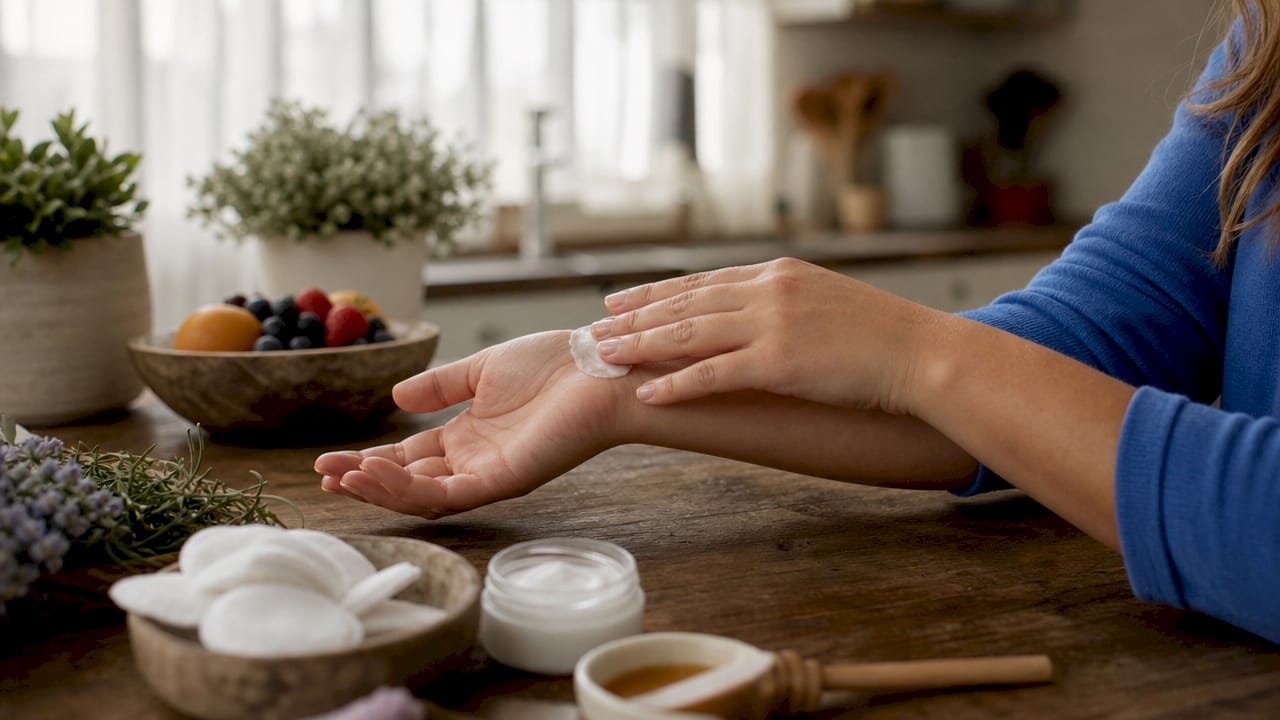
Skin care is the most immediate form of symptom relief available, and it costs almost nothing to start. Lukewarm showers and fragrance-free moisturizers applied on damp skin help break the itch-scratch cycle and reduce inflammation at the surface level. This one habit alone can lower the intensity of crawling sensations within days.
Wound care matters just as much. Open lesions need clean dressings changed regularly to prevent secondary bacterial infections. Keeping nails short reduces the damage caused by unconscious scratching during sleep.
Lifestyle habits that support skin health include:
- Sleeping 7–9 hours per night to allow skin repair cycles to complete
- Reducing refined sugar intake, which feeds inflammatory pathways
- Wearing loose, breathable cotton clothing to minimize friction on lesions
- Avoiding synthetic fragrances in laundry detergent and body products
- Practicing a consistent wind-down routine to lower nighttime cortisol
Pro Tip: Apply your fragrance-free moisturizer within three minutes of stepping out of the shower. That window is when skin absorbs moisture most effectively.
One warning that cannot be overstated: caustic substances like bleach or pesticides cause chemical burns and worsen skin lesions permanently. The desperation that drives patients to try these things is completely understandable. The damage they cause is not reversible. Stay away from them entirely.
7. Support communities and multidisciplinary care teams
Finding the right care team is one of the hardest parts of living with Morgellons. Many patients feel dismissed before they even finish describing their symptoms. Nurse practitioner Dr. Ginger Savely has been one of the most vocal advocates for taking Morgellons patients seriously, emphasizing that careful documentation and objective examination must come before any psychiatric discussion. That sequence matters. It builds trust and produces better outcomes.
“Replacing patient dismissal with documentation helps validate symptoms and build trust for better care.” — Dr. Ginger Savely
A strong care team for Morgellons typically includes a dermatologist, a psychiatrist or psychologist, and ideally an infectious disease specialist given the Lyme overlap. Peer support groups add a layer of emotional validation that clinical appointments simply cannot provide. Look for groups that focus on coping strategies and safe practices rather than unverified cures.
Tips for advocating for yourself:
- Photograph lesions consistently with dates to create an objective record
- Bring a written symptom log to every appointment
- Ask your dermatologist to rule out other skin conditions before any psychiatric referral
- Request referrals rather than accepting a dead end from a single provider
- Use the Morgellons disease self-assessment at Megansmiraclestudio as a starting point for conversations with your doctor
8. Comparing alternative therapies: a practical overview
Different therapies suit different patients depending on budget, health status, and symptom severity. The table below compares the main alternative support options across key practical factors.
| Therapy | Cost level | Accessibility | Best suited for | Evidence base |
|---|---|---|---|---|
| Apitherapy (bee venom) | Low to moderate | Home use with kit | Skin inflammation, crawling sensations | Practitioner-supported, growing |
| Ozonated glycerin IV | Moderate | Clinic-based | Systemic antimicrobial support | Emerging clinical data |
| CBT and mental health meds | Low to moderate | Outpatient clinics | Anxiety, compulsive picking, formication | Strong clinical evidence |
| Herbal supplements | Low | Online and retail | Immune and skin support | Moderate, varies by compound |
| Topical skin care | Very low | Home use | Immediate itch-scratch cycle relief | Well-established dermatology practice |
Patients new to alternative therapies for skin conditions should start with topical skin care and mental health support before adding more intensive options. Those who have already stabilized their baseline symptoms may benefit from exploring apitherapy or ozone protocols under professional guidance.
Key takeaways
Effective alternative support for Morgellons requires layering skin care, mental health treatment, and natural therapies because no single approach addresses the full range of physical and psychological symptoms.
| Point | Details |
|---|---|
| Multidisciplinary care is the foundation | Combine dermatology, psychiatry, and natural therapies for the best outcomes. |
| Mental health meds show strong results | Antipsychotics reach up to 88% remission for crawling sensations; SSRIs reach 79%. |
| Skin care is the fastest first step | Lukewarm showers and fragrance-free moisturizers reduce symptoms immediately. |
| Avoid caustic self-treatments | Bleach and pesticides cause permanent skin damage and worsen healing. |
| Documentation builds better care | Photographing lesions and tracking symptoms helps clinicians take you seriously. |
What I have learned about fighting for your healing
Living with Morgellons is one of the loneliest experiences a person can go through. You hurt in ways that are real and visible to you, and yet you spend enormous energy just convincing the people who are supposed to help you that something is genuinely wrong. That exhaustion on top of the physical suffering is its own kind of nightmare.
What I have seen, over and over, is that the patients who make the most progress are the ones who refuse to accept dismissal as a final answer. They document everything. They build a team, even if it takes years. They try things carefully and methodically rather than desperately. The healing process with Morgellons is long and fluctuating. Expecting a straight line toward a cure sets you up for despair. Expecting gradual, imperfect progress with real moments of relief keeps you moving.
I also believe deeply that the stigma around Morgellons has cost patients years of their lives. When a condition gets labeled as delusional before it gets investigated, real suffering goes untreated. Education, patient advocacy, and the courage to keep pushing for answers are not just helpful. They are the whole fight.
— Megan
Natural Morgellons support products from Megansmiraclestudio
Megansmiraclestudio was built specifically for people in your position: dealing with a condition that conventional medicine has largely failed to address, and looking for real, natural options that actually do something.

The product line includes supplements for internal detox and immune support, medical-grade and natural-grade bee venom kits for apitherapy at home, and snow mushroom polysaccharide products for skin and systemic care. Every product comes with educational resources so you understand what you are using and why. If you are ready to add apitherapy to your protocol, the apitherapy common questions page is the best place to start. You are not alone in this, and you do not have to figure it out from scratch.
FAQ
What is the most effective alternative support for Morgellons?
Multidisciplinary care combining dermatological treatment, mental health therapy, and natural remedies is the most effective approach. No single therapy addresses the full range of Morgellons symptoms on its own.
Can mental health medications really help with skin-crawling sensations?
Yes. Antipsychotics achieve up to 88% remission for skin-crawling sensations, and SSRIs show a 79% complete remission rate. These medications target the neurological component of formication directly.
Is apitherapy safe to try at home for Morgellons?
Apitherapy is safe when started at very low doses with proper allergy precautions in place. Megansmiraclestudio offers bee venom therapy guidance and kits designed for home use with full protocol support.
Why should I avoid bleach or pesticides on my skin?
Caustic substances like bleach cause chemical burns and permanent tissue damage that complicate healing and worsen lesions. They do not treat the underlying condition and create new injuries on top of existing ones.
How do I find a doctor who will take my Morgellons symptoms seriously?
Start by documenting your lesions with dated photographs and a written symptom log. Advocates like Dr. Ginger Savely recommend that careful documentation precedes any psychiatric discussion, which helps build trust and leads to more thorough clinical investigation.