

Whole body inflammation symptoms are the signs that your immune system is persistently active, driving a chronic, systemic response that affects multiple body systems at once. Clinically, this is called systemic inflammation or chronic systemic immune activation. Unlike the short-lived redness around a cut, systemic inflammation persists for months or years without an obvious localized cause. You might feel exhausted for no clear reason, wake up with stiff joints, notice brain fog, or deal with recurring skin flares. These signs rarely appear in isolation. They cluster together, and that pattern is the first clue that something deeper is happening inside your body.
What are the most common whole body inflammation symptoms?
Systemic inflammation signs are wide-ranging, and that diversity is exactly what makes them so easy to dismiss. Symptoms affect multiple systems simultaneously, including your joints, gut, skin, brain, and mood. When your immune system stays switched on, it floods your body with inflammatory chemicals called cytokines. Those cytokines disrupt normal cell function everywhere, not just at one site.
The most frequently reported symptoms include:
- Persistent fatigue that does not improve with rest
- Morning joint stiffness lasting more than 30 minutes
- Unexplained joint pain in multiple locations
- Digestive problems such as bloating, cramping, or irregular bowel habits
- Skin rashes, redness, or recurring flares without an obvious trigger
- Brain fog, poor concentration, or memory lapses
- Low-grade fever that comes and goes
- Swollen lymph nodes or a general feeling of being unwell
- Depression or anxiety that appears alongside physical symptoms
- Oral health problems including gum inflammation or mouth sores
- Unexplained weight changes, particularly weight gain around the abdomen
- Poor sleep quality despite adequate time in bed
Clinical observations confirm that these twelve signs prompt early care and limit disease progression when caught in time. That is the key point: catching them early changes the outcome.
Pro Tip: The symptoms most people overlook are the mental ones. Depression, anxiety, and brain fog are not just stress. They are direct full-body inflammation effects caused by cytokines crossing the blood-brain barrier. If you are treating your mood but ignoring your inflammatory markers, you are missing half the picture.
How is whole body inflammation diagnosed and monitored?
Diagnosis relies on blood tests that measure specific inflammatory markers, not on symptoms alone. Blood tests detect markers including C-reactive protein (CRP), erythrocyte sedimentation rate (ESR), total proteins, immunoglobulins, and Omega-6 fatty acid ratios. Each marker tells a different part of the story.

| Marker | What it measures | What elevated levels suggest |
|---|---|---|
| CRP (C-reactive protein) | Acute phase immune response | Active systemic inflammation |
| ESR (erythrocyte sedimentation rate) | Rate of red blood cell settling | Ongoing inflammatory process |
| Immunoglobulins (IgG, IgA, IgM) | Immune antibody activity | Chronic immune activation or autoimmune response |
| Omega-6 fatty acid ratio | Dietary fat balance | Pro-inflammatory dietary pattern driving inflammation |
Monitoring frequency matters as much as the tests themselves. Testing every 3–6 months during active management is recommended, moving to twice per year once markers stabilize. That schedule gives you real data on whether your interventions are working, rather than guessing based on how you feel on any given day.
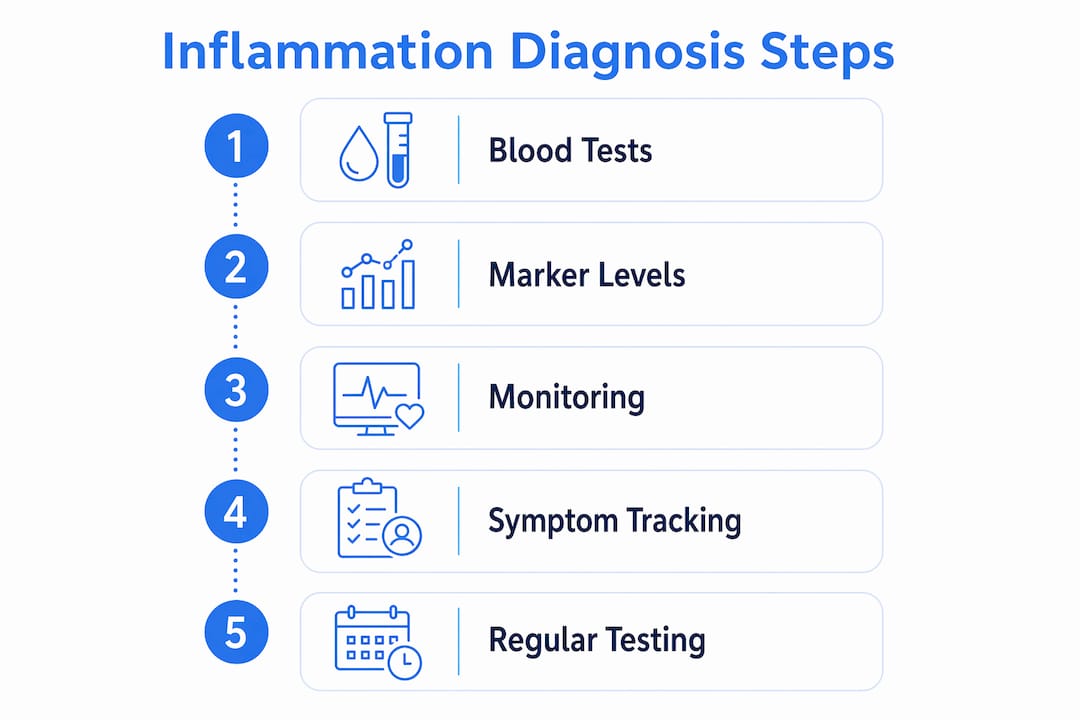
Symptom tracking alongside lab work adds critical context. A journal noting fatigue levels, joint stiffness, digestive episodes, and sleep quality helps your practitioner connect lab trends to lived experience. Neither the numbers nor the symptoms tell the full story alone.
Pro Tip: Silent chronic inflammation causes systemic tissue damage months or years before any obvious symptom appears. Do not wait until you feel awful to get tested. If you have risk factors, get a baseline CRP and ESR now.
What underlying causes and risk factors drive systemic inflammation?
Systemic inflammation does not appear out of nowhere. Chronic inflammation drives diseases including rheumatoid arthritis, heart disease, and type 2 diabetes through immune system dysfunction. Understanding what triggers that dysfunction is the first step toward addressing it.
The most common causes and risk factors include:
- Autoimmune diseases where the immune system attacks healthy tissue, such as lupus or rheumatoid arthritis
- Chronic infections including Lyme disease, Morgellons-related immune disruption, and persistent viral infections
- Dietary imbalances, particularly high Omega-6 fatty acid ratios relative to Omega-3, which push the body toward a pro-inflammatory state
- Chronic psychological stress, which elevates cortisol and keeps immune signaling dysregulated
- Physical inactivity, which reduces the body’s natural anti-inflammatory mechanisms
- Poor sleep quality or sleep deprivation, which elevates inflammatory cytokines overnight
- Obesity, especially visceral fat, which functions as an active inflammatory tissue
- Environmental toxin exposure, including heavy metals, pesticides, and mold
- Gut microbiome disruption from antibiotics, processed foods, or chronic stress
Immune system malfunction in systemic autoinflammatory diseases is a frequent source of persistent inflammation that requires targeted treatment rather than symptom management alone. This is a critical distinction. Treating the rash or the joint pain without addressing the immune dysfunction underneath is like mopping the floor while the faucet is still running.
For people dealing with complex chronic conditions like Lyme disease, the inflammatory picture is especially layered. Infections trigger immune responses that can persist long after the initial pathogen is controlled, leaving the body stuck in a chronic inflammatory loop. Understanding why joint pain persists beyond obvious structural causes is part of recognizing this pattern.
How can you manage and reduce inflammatory symptoms throughout the body?
Managing full-body inflammation effects requires a coordinated approach across diet, lifestyle, and targeted therapies. Early intervention improves health outcomes and reduces long-term risks significantly. Waiting until symptoms become severe narrows your options.
-
Rebalance your Omega-6 to Omega-3 ratio. Reducing Omega-6 and increasing Omega-3 through fatty fish, flaxseed, and quality fish oil supplements directly lowers chronic inflammation at the dietary level. This is one of the most evidence-supported dietary changes available.
-
Shift to an anti-inflammatory diet. Prioritize vegetables, berries, olive oil, nuts, and whole grains. Reduce ultra-processed foods, refined sugars, and seed oils. These changes lower CRP measurably within weeks.
-
Move your body consistently. Moderate physical activity, such as walking, swimming, or cycling, reduces inflammatory cytokines. Intense exercise without recovery, however, can temporarily spike inflammation. Consistency beats intensity here.
-
Prioritize sleep quality. Seven to nine hours of quality sleep per night reduces inflammatory markers. Sleep deprivation is one of the fastest ways to spike cytokine levels, so this is non-negotiable.
-
Manage stress with structured practices. Chronic stress keeps cortisol elevated, which dysregulates immune function. Practices like diaphragmatic breathing, meditation, or gentle yoga lower the inflammatory burden measurably over time.
-
Address gut health directly. Persistent digestive symptoms often signal gut-driven inflammation that diet changes alone cannot resolve. Probiotics, fermented foods, and gut-specific protocols help restore the microbiome balance that keeps systemic inflammation in check.
-
Track your markers on schedule. Monitoring inflammatory markers every 3–6 months during active management lets you evaluate whether your interventions are working. Once stabilized, twice-yearly testing maintains oversight without unnecessary cost.
-
Consider complementary therapies. Apitherapy, including bee venom therapy, has been studied for its immune-modulating properties. Natural supplements targeting internal detoxification and inflammation support can complement dietary and lifestyle changes, particularly for people managing complex chronic conditions. Megansmiraclestudio offers holistic chronic disease prevention resources that address these layered needs.
Pro Tip: Do not wait for symptoms to become unbearable before acting. Silent inflammation causes real damage. The people who manage chronic inflammation best are the ones who treat it like a long game, not a crisis to react to.
Key Takeaways
Whole body inflammation symptoms signal a persistent immune response that requires both lab testing and lifestyle intervention to address effectively.
| Point | Details |
|---|---|
| Symptoms span multiple systems | Fatigue, joint pain, brain fog, skin rashes, and digestive issues often appear together as chronic inflammation indicators. |
| Silent inflammation is real | Many people have no obvious symptoms yet still have active tissue damage detectable only through blood tests. |
| Key markers to test | CRP, ESR, immunoglobulins, and Omega-6 ratios confirm systemic inflammation and guide treatment decisions. |
| Test on a schedule | Monitor markers every 3–6 months during active management, then twice yearly once stabilized. |
| Address root causes | Dietary imbalances, chronic infection, stress, and immune dysfunction drive inflammation and require targeted correction. |
What I’ve learned about silent inflammation after years of watching people suffer
I want to be honest with you about something that most health articles skip over. The hardest part of whole body inflammation is not the pain. It is the invisibility of it. You feel awful, but your doctor says your labs look “fine.” You push through the fatigue, the fog, the aching joints, and you start to wonder if it is all in your head. It is not.
What I have seen, over and over, is that people with complex chronic conditions like Morgellons and Lyme disease are living with chronic illness treatment challenges that conventional medicine is only beginning to take seriously. Their inflammation is real. Their symptoms are real. And the standard approach of treating each symptom in isolation, the joint pain here, the skin issue there, misses the whole picture entirely.
The misconception that frustrates me most is the belief that inflammation must hurt to be dangerous. Consistent testing is more reliable than waiting for symptoms, full stop. I have seen people with sky-high CRP levels who felt “okay.” That silent progression is what leads to organ damage, autoimmune flares, and years of suffering that could have been caught earlier.
My honest advice: treat your body as a system, not a collection of parts. Address the immune dysfunction at its root. Get tested before you feel desperate. And do not let anyone dismiss what you are experiencing just because it does not fit a neat diagnosis.
— Megan
Natural support for inflammation from Megansmiraclestudio
If you are dealing with the exhausting reality of systemic inflammation, you do not have to figure it out alone.

Megansmiraclestudio offers a range of natural supplements for internal detox and inflammation support, formulated with people managing complex chronic conditions in mind. The site also provides detailed guidance on apitherapy, including bee venom therapy protocols that have been studied for their immune-modulating effects. Whether you are just starting to connect the dots on your symptoms or you are deep into managing a chronic condition, Megansmiraclestudio’s educational resources and product protocols are built to meet you where you are.
FAQ
What are the first signs of whole body inflammation?
The earliest signs of systemic inflammation are often persistent fatigue, morning joint stiffness, and low-grade digestive discomfort. These symptoms persist for weeks or months when untreated and frequently appear together rather than in isolation.
Can you have systemic inflammation without feeling sick?
Yes. Silent chronic inflammation causes tissue damage months or years before obvious symptoms emerge. Blood tests measuring CRP and ESR are the only reliable way to detect it early.
What blood tests identify chronic inflammation indicators?
The primary tests are CRP, ESR, immunoglobulins, and Omega-6 fatty acid ratios. These markers confirm systemic immune activation and help practitioners track whether treatment is reducing inflammation over time.
How often should inflammatory markers be tested?
During active management, testing every 3–6 months is recommended. Once markers stabilize, twice-yearly testing provides adequate ongoing monitoring without unnecessary frequency.
Does diet really affect whole body inflammation?
Diet is one of the most direct levers for managing systemic inflammation. Correcting Omega-6 to Omega-3 imbalances through food and supplementation measurably reduces chronic inflammatory markers, making dietary change a frontline strategy rather than an optional add-on.