

A home care chronic illness checklist is a structured tool that helps caregivers systematically manage daily care needs, medication adherence, home safety, and emotional support for individuals living with chronic conditions. When you are caring for someone with Morgellons Disease, Lyme disease, heart failure, or any other complex condition, the sheer volume of daily tasks can feel like a nightmare without a clear system. This article breaks down every critical domain of a chronic illness care plan, from room-by-room safety checks to diagnosis-specific monitoring, so you never miss what matters most.
1. What essential domains should a home care chronic illness checklist cover?
A structured home assessment covers eight core domains: physical health changes, activities of daily living, medication management, home environment, cognition, emotional and social changes, safety risks, and financial or legal status. Each domain catches a different category of need. Missing even one can create dangerous gaps in care.
Physical health monitoring tracks fatigue levels, unexpected weight changes, wound healing, and mobility shifts. These are the early warning signs that something is changing in the body.
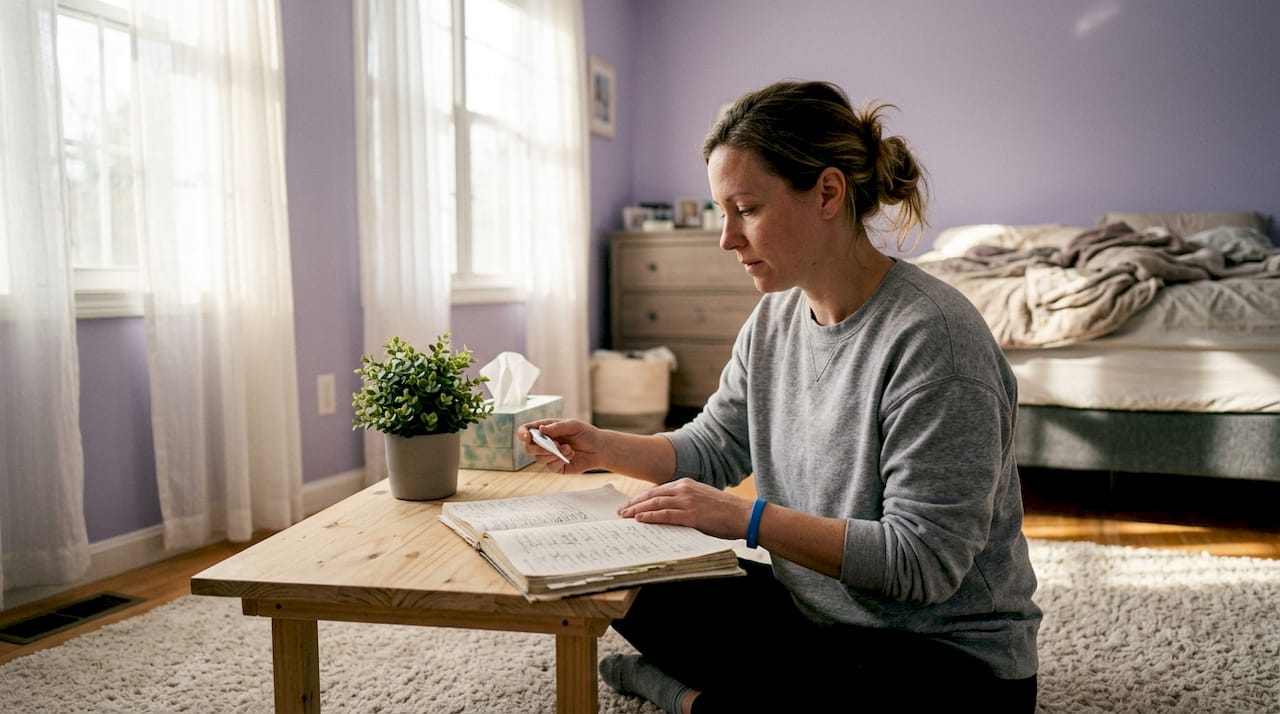
Medication management covers correct dosing, refill timing, and signs of confusion around medications. This domain alone prevents the majority of preventable hospitalizations.
Cognitive and emotional health watches for memory lapses, anxiety spikes, and social withdrawal. These changes are easy to miss when you are focused on physical symptoms, but they signal real deterioration.
Financial and legal awareness sounds clinical, but it protects your loved one from unpaid bills, lapsed insurance, and scam vulnerability. Chronic illness creates financial stress that compounds medical stress fast.
Caregiver needs assessment belongs on every checklist. You cannot pour from an empty cup. Tracking your own fatigue, emotional state, and support resources is not optional.
Pro Tip: Print the checklist domains on a single page and post it somewhere visible. A quick daily scan takes two minutes and catches problems before they become crises.
2. How to prepare supplies and tools before starting home chronic illness care
Before care begins, prepare a supplies checklist covering personal care, mobility, medication management, nutrition, documentation, and emergency preparedness. Starting without these in place means scrambling during a crisis instead of managing one.
Here is a practical readiness list organized by priority:
- Printed medication list posted visibly in the kitchen and near the medication station, including brand names, generic names, doses, timing, and prescriber contact.
- Caregiver log binder with dated pages for recording symptoms, mood changes, meals, and any incidents. This becomes your evidence trail for doctor appointments.
- Emergency preparedness folder containing spare keys, exit plans, emergency contacts, insurance cards, and advance directive copies.
- Personal care supplies including hygiene products, incontinence supplies if needed, and skin care items suited to the person’s condition.
- Mobility aids such as a walker, cane, or wheelchair, staged in the rooms where they are most needed rather than stored in a closet.
- Nutrition essentials including easy-to-prepare foods, hydration reminders, and any prescribed dietary supplements.
- Communication aids like a whiteboard, large-print calendar, or simple phone with large buttons for people with cognitive or vision challenges.
Once you have this list, divide items into two columns: “Have” and “Need.” Address the “Need” column before the first full care day begins. Organizing treatment records at home from day one saves enormous time later.
Pro Tip: Buy a bright-colored binder for the caregiver log. When multiple caregivers are involved, a color-coded system prevents the “I thought you wrote it down” problem.
3. Room-by-room home safety measures that prevent falls and injuries
Home safety checklists should focus on high-risk areas: bathrooms, bedrooms, stairs, and kitchens. These four zones account for the majority of falls and injuries in home care settings. A room-by-room walk-through takes less than an hour and can prevent a catastrophic event.
| Room | Key hazard | Recommended modification | Priority |
|---|---|---|---|
| Bathroom | Wet floors, no support | Non-slip mat, grab bars by toilet and shower | Do Now |
| Bedroom | Low bed, poor lighting | Bed rail, nightlight, clear path to bathroom | Do Now |
| Stairs | No handrail, loose carpet | Secure handrail both sides, remove loose rugs | Do Now |
| Kitchen | Reaching high shelves, spills | Reorganize frequently used items to waist height, wipe spills immediately | Do Soon |
| Living room | Cords, clutter | Tape down cords, remove throw rugs, widen pathways | Do Soon |
Simple adjustments like clutter removal and better lighting improve safety without requiring full renovations. A triaged approach using “Do Now” and “Do Soon” columns prevents the all-or-nothing paralysis that stops caregivers from making any changes at all. Address the “Do Now” items within 24 hours of the assessment.
4. How to build a dynamic, diagnosis-specific chronic illness care plan
CMS defines chronic care plans as ongoing management tools covering clinical and caregiver needs, requiring updates as conditions evolve. A generic checklist fails people with complex conditions. The plan must reflect the actual diagnosis.
Diagnosis-specific monitoring hooks improve care effectiveness by tailoring routines without reinventing the plan every time. For example:
- Heart failure: Daily weight check at the same time each morning. A gain of two or more pounds in 24 hours signals fluid retention and requires immediate provider contact.
- COPD: Morning oxygen saturation reading with a pulse oximeter. Track readings in the caregiver log alongside any breathing difficulty notes.
- Parkinson’s disease: Medication timing is critical. Log the exact time of each dose and note any “off” periods where symptoms worsen.
- Morgellons or Lyme disease: Track skin symptom changes, fatigue levels, and any new neurological symptoms daily. These conditions fluctuate and the pattern matters as much as any single reading.
- Multiple sclerosis: Note fatigue onset time, heat sensitivity episodes, and any changes in gait or coordination.
Treat chronic illness care plans as living documents updated regularly for symptom changes and care coordination. A reassessment every 90 days is the minimum. Reassess sooner after any hospitalization, medication change, or significant symptom shift.
| Reassessment trigger | Recommended action |
|---|---|
| Every 90 days | Full checklist review with all caregivers |
| After hospitalization | Update medication list, add new instructions |
| Significant symptom change | Contact provider, adjust monitoring frequency |
| New caregiver joins | Full orientation using current checklist |
Cleveland Clinic notes that chronic care management supports shared checklists for the entire care team. Share the updated plan with every provider involved, including the pharmacist.
5. Best practices for medication management and caregiver communication
Organizing medication records into a master list and establishing a consistent medication station reduces errors, especially with multiple caregivers or during flare-ups. Medication errors are the most common and most preventable home care crisis.
A master medication record includes:
- Brand name and generic name for every medication
- Dose and exact timing (morning, with food, at bedtime)
- Purpose of the medication in plain language
- Prescribing provider name and phone number
- Pharmacy name and refill schedule
The physical medication station is the second artifact. Keep all medications in one fixed location, never scattered across rooms. Use a weekly pill organizer with AM and PM compartments. Post the medication schedule on the wall above the station in large, readable print.
NDPAP emphasizes detailed medication organization and discharge paperwork review as critical for reducing errors in home care. After any hospital discharge, review every medication instruction before the person takes their first dose at home. Confirm with the discharging nurse if anything is unclear.
Caregiver communication requires a shared log, not just verbal handoffs. Every caregiver who enters the home writes in the log. Date, time, what happened, what was given, and any concerns. This log becomes the foundation for every doctor visit and every care team conversation. For practical guidance on documenting patient symptoms, consistent recording is what separates reactive care from proactive care.
Pro Tip: Build a relationship with one pharmacist at your regular pharmacy. A good pharmacist will catch dangerous drug interactions before they happen and can answer medication questions faster than waiting for a doctor callback.
Key takeaways
A well-built home care chronic illness checklist covers eight domains, uses diagnosis-specific monitoring, and functions as a living document updated every 90 days or after any major change.
| Point | Details |
|---|---|
| Cover all eight domains | Physical, medication, safety, cognitive, emotional, financial, ADLs, and caregiver needs must all be assessed. |
| Prepare supplies before day one | Have medication lists, caregiver logs, and emergency items ready before care begins. |
| Prioritize home safety by room | Address bathroom and bedroom hazards first using a Do Now and Do Soon triage system. |
| Tailor the plan to the diagnosis | Add condition-specific monitoring hooks like daily weight for heart failure or oxygen checks for COPD. |
| Reassess every 90 days | Treat the checklist as a living document and update it after hospitalizations or symptom changes. |
What I have learned from building checklists for chronic illness care
Caregiving for someone with a complex chronic illness is one of the hardest things a person can do. I know that from the inside out. When I was deep in the nightmare of Morgellons and Lyme, the days blurred together. Nothing felt manageable. What finally gave me footing was structure. Not a perfect system. Just a written one.
The biggest mistake I see caregivers make is building a checklist once and never touching it again. The person you are caring for is not static. Their condition shifts, their medications change, their emotional needs evolve. Your checklist has to move with them. I update mine after every doctor visit, every flare, every new symptom that shows up and refuses to leave.
The other thing nobody tells you is that the checklist is as much for you as it is for them. When you are exhausted and scared, you cannot trust your memory. The list carries what your brain cannot. That is not a weakness. That is wisdom. Caregiver education improves outcomes not because it makes you smarter, but because it gives you a framework when everything feels like chaos.
Give yourself permission to start messy. A rough checklist used consistently beats a perfect one that stays in a drawer.
— Megan
Natural support products for chronic illness caregivers
Managing a chronic illness at home takes everything you have. The right supplements can support the body’s ability to cope with the daily demands of complex conditions like Morgellons, Lyme disease, and related inflammatory illnesses.
Megansmiraclestudio carries a range of supplements and internal detox products designed to support chronic illness management as part of a broader home care routine. These are not replacements for medical treatment. They are tools that fit alongside the care plan you are already building. Whether you are supporting immune function, managing inflammation, or addressing the internal burden of a complex condition, the Megansmiraclestudio supplement collection offers options grounded in natural, research-informed ingredients. Browse the full range and find what fits your care routine.
FAQ
What is a home care chronic illness checklist?
A home care chronic illness checklist is a structured assessment and monitoring tool covering physical health, medication management, home safety, cognitive status, and caregiver needs. It helps caregivers manage daily care needs systematically and catch problems before they escalate.
How often should a chronic illness care plan be updated?
Reassessment every 90 days is the standard minimum, but the plan should also be updated after any hospitalization, medication change, or significant symptom shift.
What rooms need the most attention in a home safety checklist?
Bathrooms, bedrooms, stairs, and kitchens are the highest-risk areas. Grab bars, non-slip mats, improved lighting, and cleared pathways in these four zones address the majority of fall risks.
How do I make a checklist specific to a diagnosis?
Add condition-specific monitoring tasks directly to the daily routine section. For heart failure, that means daily weight checks. For COPD, it means morning oxygen saturation readings. For Morgellons or Lyme, it means tracking skin symptoms, fatigue, and neurological changes daily.
What should a caregiver log include?
A caregiver log should record the date, time, medications given, symptoms observed, meals, mood, and any incidents or concerns. Every caregiver who provides care writes in the log, creating a shared record for the entire care team.