
Bee venom therapy (also called apitherapy) is gaining serious momentum right now. And for good reason, when done right, it can support skin health, reduce inflammation, and help with a whole range of wellness concerns. But here's the thing: most people dive in without understanding how to use it safely or effectively.
I've been working with bee venom therapy for years now, and I've seen the same mistakes over and over again. Some are just ineffective. Others? Downright dangerous.
So let's talk about the seven biggest mistakes people make with bee venom therapy, and exactly how to fix them.
Mistake #1: Skipping the Allergy Test
This is the big one. You absolutely must test for bee venom allergies before starting any apitherapy protocol.
Here's what most people don't realize: even if you've been stung by bees before without issue, you can still develop an allergy. In fact, research shows that a significant number of people who test negative for venom allergies still experience adverse reactions during treatment.
How to Fix It:
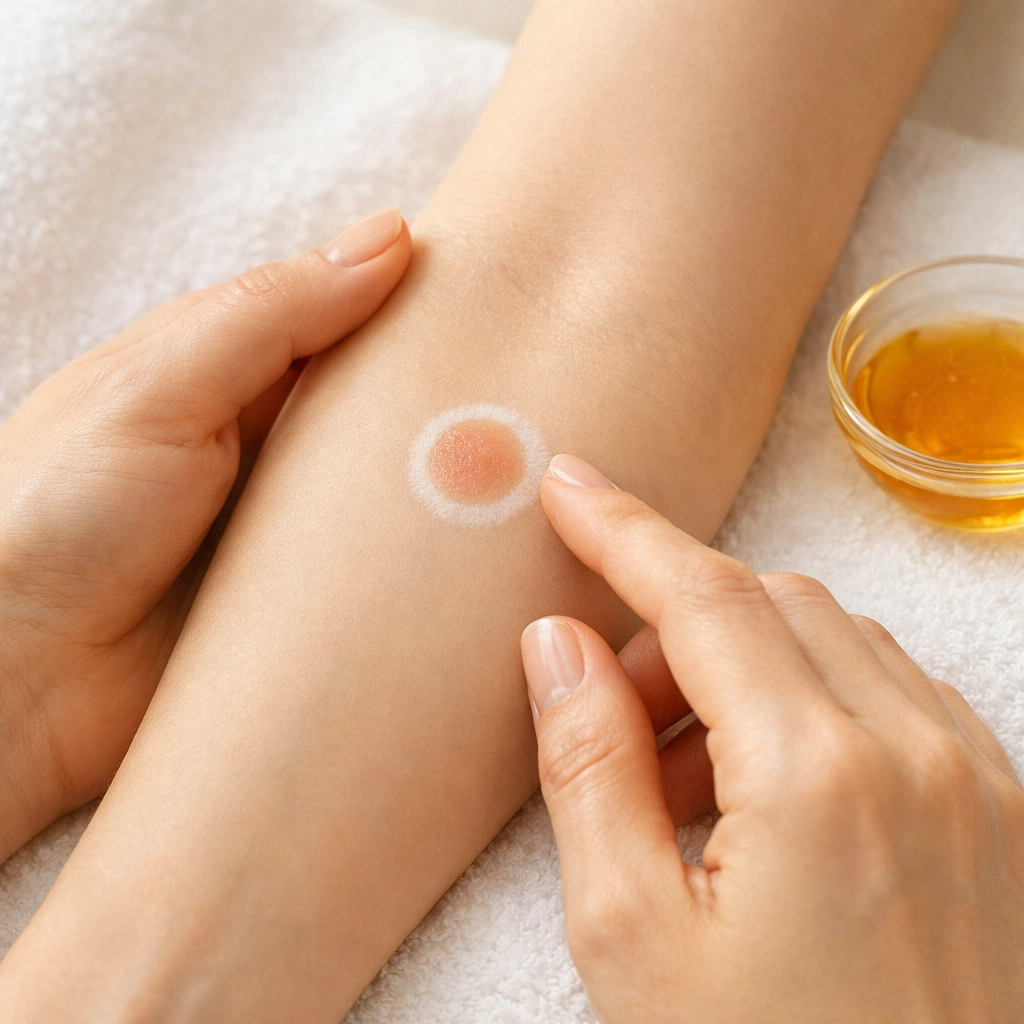
Before you begin any form of bee venom therapy, get a proper allergy test from a healthcare provider. Start with a small patch test if you're using topical products like bee venom soap. Apply a tiny amount to your inner forearm, wait 24-48 hours, and watch for any redness, swelling, or itching.
If you experience extreme dizziness, difficulty breathing, or severe swelling, seek emergency medical attention immediately.
Mistake #2: Using Mystery Products from Unknown Sources
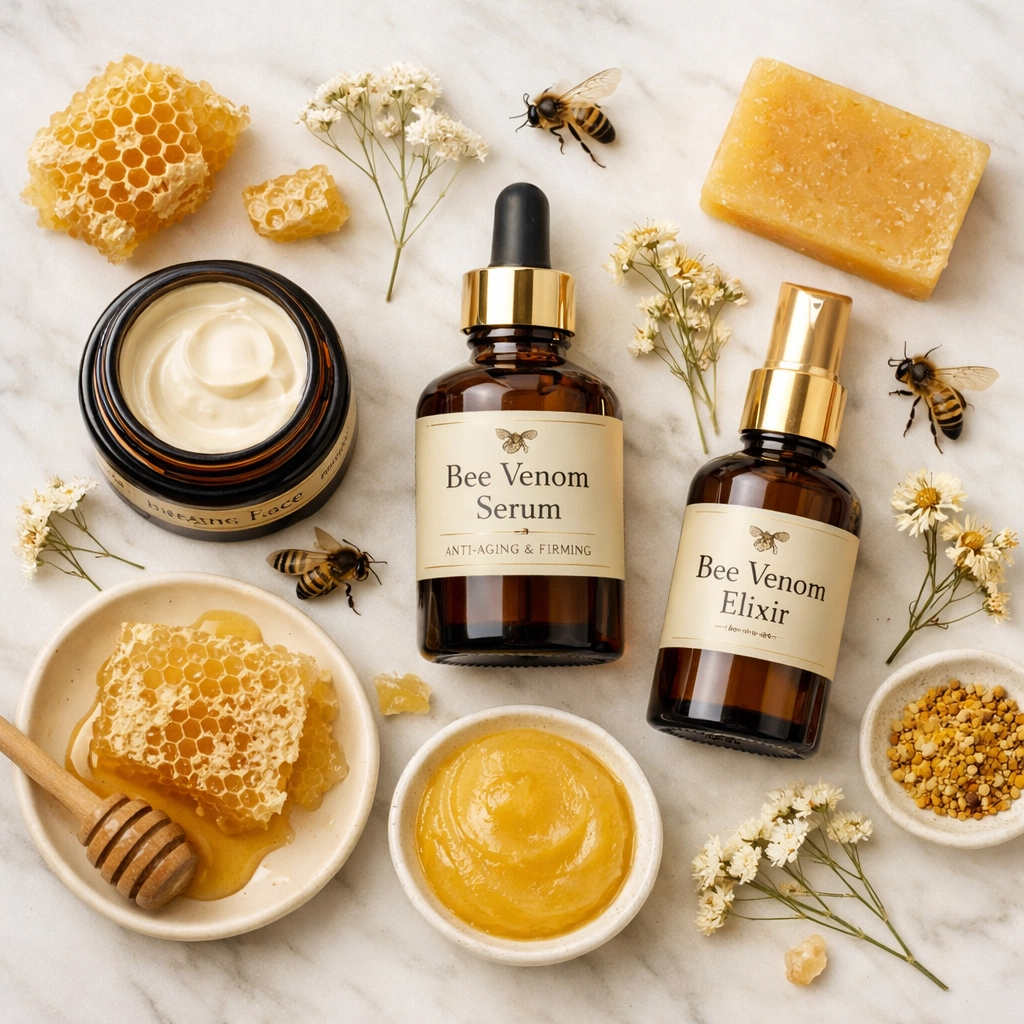
Not all bee venom is created equal. I've seen people buy random bee venom products on Amazon or from overseas suppliers with zero quality control. You have no idea what concentration you're getting, whether it's been properly extracted, or if it's even real bee venom.
How to Fix It:
Source your bee venom products from trusted suppliers who are transparent about their extraction methods and sourcing. At Megan's Miracle, we use carefully extracted bee venom in our formulations, no bees are harmed in the process, and the venom is standardized for consistent potency.
Look for products that clearly list the bee venom concentration and come from companies that can answer your questions about sourcing. If they can't tell you where their venom comes from or how it's extracted, walk away.
Mistake #3: Not Having Emergency Supplies on Hand
Let's be real: even with proper testing, reactions can happen. And when they do, you need to be prepared.
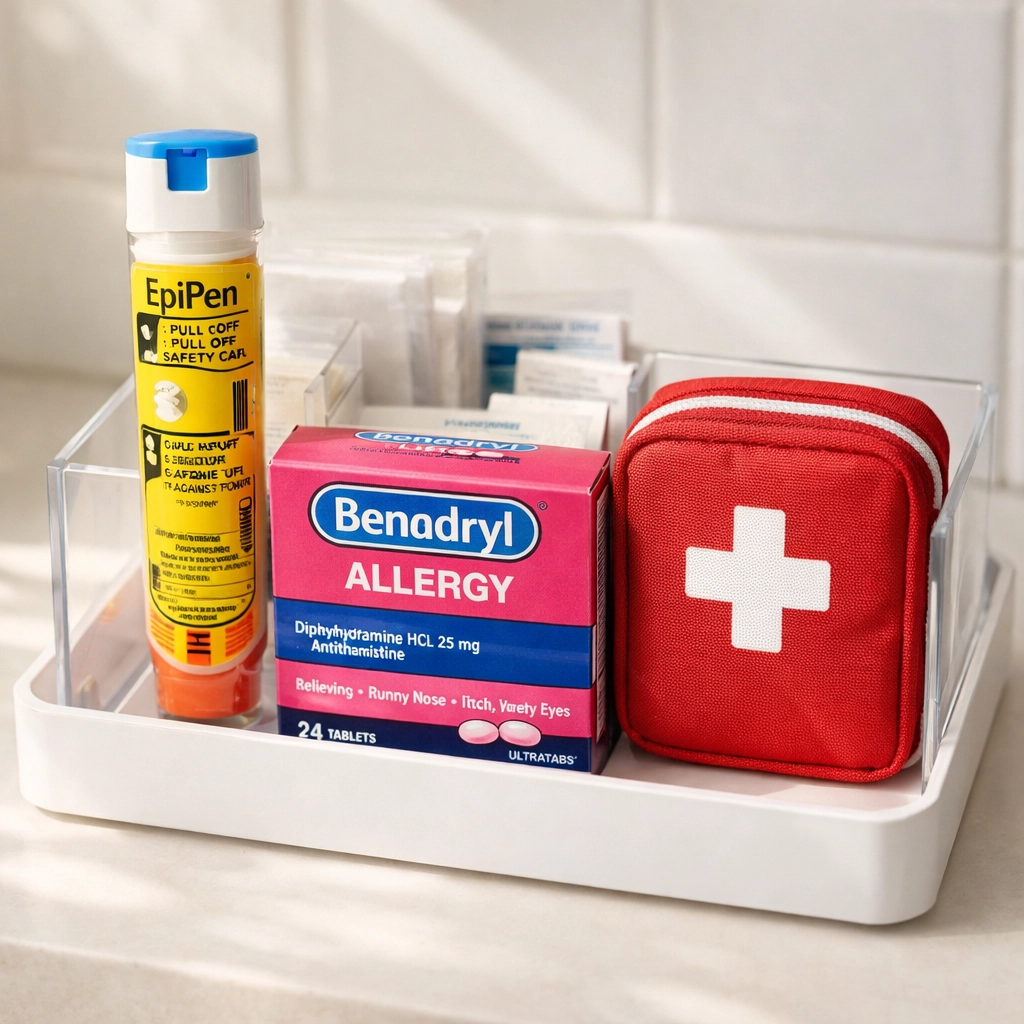
You should never attempt bee venom therapy without having an EpiPen and Benadryl readily available. Period. This isn't optional, it's absolutely essential for your safety.
How to Fix It:
Before you start using any bee venom products, stock up on:
- EpiPen or equivalent epinephrine auto-injector (requires prescription)
- Benadryl (diphenhydramine) - keep it within reach during application
- Emergency contact information for your doctor and nearest emergency room
Keep these items in the same place you store your bee venom products. Make sure family members know where they are and how to use them if needed.
Mistake #4: Ignoring Drug and Supplement Interactions
This one catches people off guard. Certain substances can completely interfere with bee venom therapy or make it less effective.
Alcohol negates bee venom entirely. If you're drinking regularly, you're basically wasting your time and money on apitherapy. High doses of vitamin C and certain herbal supplements can also impact how your body responds to treatment.
How to Fix It:
If you're serious about bee venom therapy, you'll need to make some adjustments:
- Eliminate or significantly reduce alcohol consumption during treatment
- Work with a healthcare provider to review your current supplements
- Ensure you're getting adequate magnesium and appropriate levels of vitamin C
- Avoid certain teas and herbs that may interfere (your practitioner can provide a specific list)
The Megan's Miracle Protocol provides detailed guidance on what to avoid and what to include for best results. It's completely free and designed to help you get the most out of your therapy.
Mistake #5: Using Outdated Application Methods
Here's something most people don't know: live bee stings are now considered an outdated method for bee venom therapy.
Modern extraction methods allow us to obtain and use bee venom safely without harming the bees, and without the unpredictable dosing that comes with live stings. Yet some people still think they need to track down beekeepers for direct stinging sessions.
How to Fix It:
Use modern, standardized bee venom products like topical creams, soaps, and serums. Bee venom soap is an excellent entry point for most people, it allows for controlled, consistent application without the risks associated with live stings.
Start with products that have a known concentration of bee venom. This gives you control over your dosage and allows you to gradually increase exposure as your body adapts.
Mistake #6: Skipping Skin Preparation
I see this all the time. People apply bee venom products to dirty, unprepared skin and wonder why they're not getting results.
Your skin needs to be properly prepped for bee venom therapy to work effectively. Dead skin cells, oils, and other buildup create a barrier that prevents the venom from penetrating properly.
How to Fix It:
Before applying any bee venom product:
- Cleanse the area thoroughly with a gentle, pH-balanced cleanser
- Exfoliate gently 2-3 times per week to remove dead skin cells
- Pat skin completely dry before application
- For best results, apply to slightly damp (not wet) skin to enhance absorption
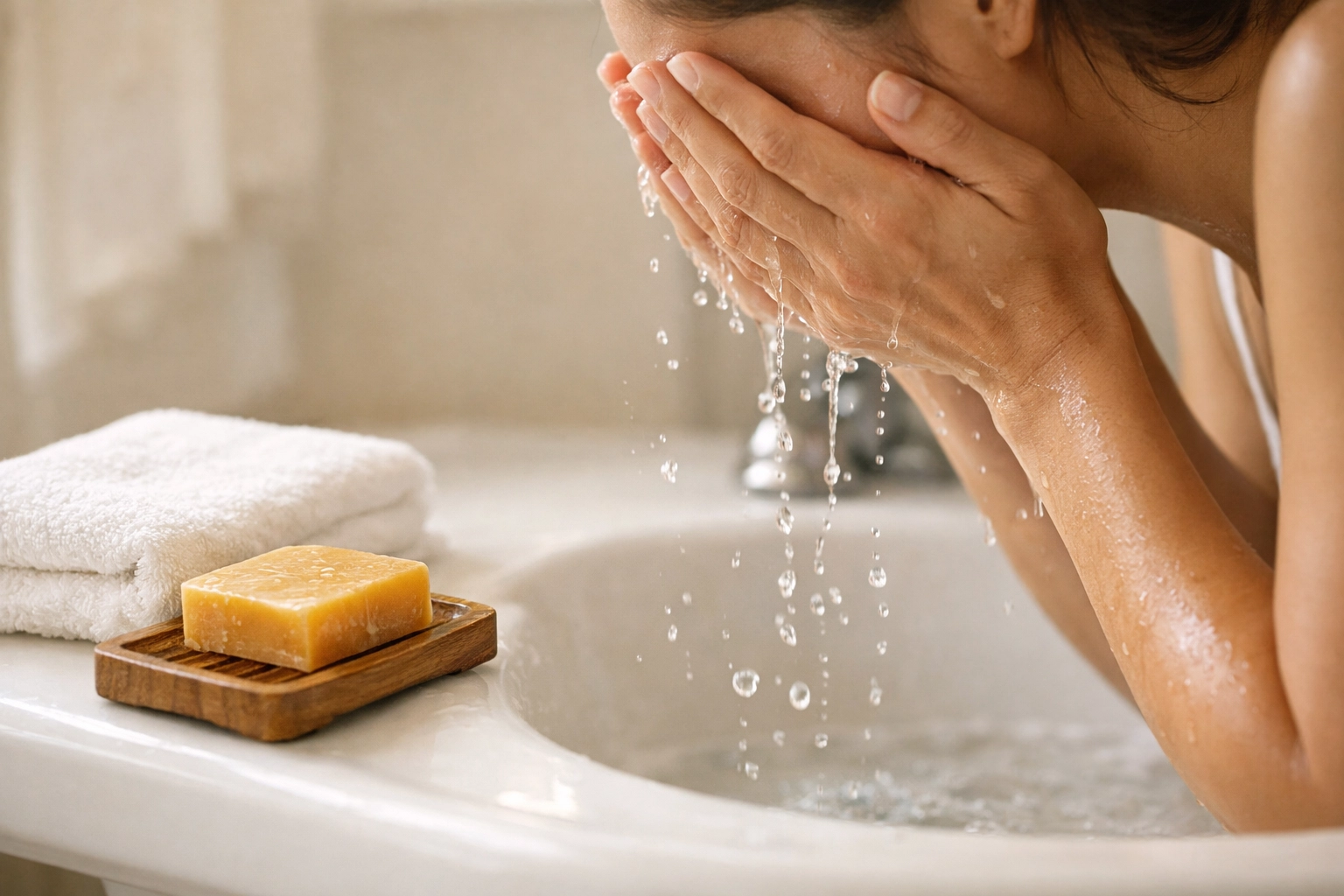
When using bee venom soap, work it into a rich lather and let it sit on the skin for 30-60 seconds before rinsing. This allows the venom time to begin working.
Mistake #7: Getting the Dosage Wrong (Too Much, Too Fast)
This is probably the most common mistake. People think more is better, so they slather on bee venom products or jump to high concentrations right away.
Here's the truth: your body needs time to adjust to apitherapy. Start too aggressively, and you'll likely experience unnecessary irritation, redness, or even a systemic reaction.
How to Fix It:
Always start low and go slow. Here's a sensible progression:
- Week 1-2: Use bee venom products once every 2-3 days
- Week 3-4: Increase to once daily if no adverse reactions occur
- Week 5+: Work your way up to twice daily application as tolerated
Pay attention to how your body responds. Some redness or mild tingling is normal. Extreme itching, swelling, or discomfort means you need to dial it back.
This is absolutely okay and no reason to be concerned, everyone's tolerance is different, and your experience will vary.
Moving Forward with Bee Venom Therapy
Look, bee venom therapy can be incredibly effective when done properly. But the key phrase there is "done properly."
Avoid these seven mistakes, and you'll be way ahead of most people who try apitherapy. You'll get better results, stay safer, and actually understand what you're doing to your body.
If you're ready to do this right, I highly recommend starting with the Megan's Miracle Protocol. It's designed with intention, walks you through each stage carefully, and helps you avoid these exact mistakes. And yes, it's completely free.
Start with quality products, respect the process, and give your body time to respond. You've got this.
Please don't hesitate to reach out if you need help or have questions about starting your bee venom therapy journey. We're here to support you every step of the way.